
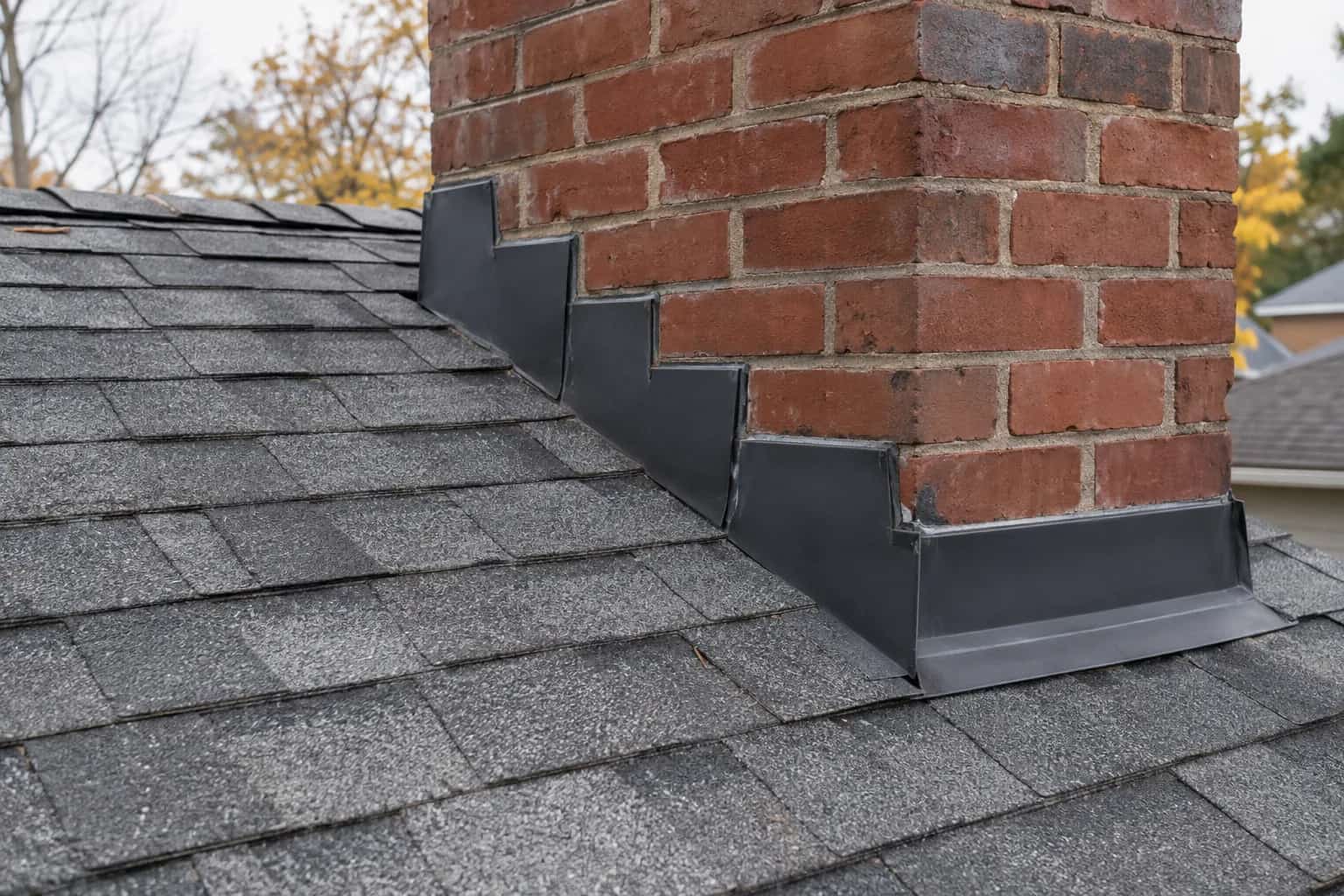
An orange-brown streak runs down the chimney and onto the shingles. Cleaning the streak may improve the view, but it will not replace a corroded component above it. Have the inspection locate the metal source and assess its condition before choosing the cosmetic work. A dramatic stain can travel a long way from a small exposed area.
Conversely, a modest stain does not prove that a cap, chase cover or attachment remains sound. The colour on the brick and the condition of the metal need separate findings.
The orange trail looks enormous from the driveway. Ellen asks for the largest new cap available, assuming larger means better. Dave asks which part she means by cap. They look at a wide photograph together and separate the flue cover from the broader top detail. The order is postponed until the component has a name.
Be Precise About the Part
Homeowners often use cap for several different pieces. A rain cap over a flue is not the same as a broad metal cover over a framed chimney chase. A masonry crown is another component again. Show the contractor the whole top arrangement instead of ordering a generic cap from a close-up of the stain.
The Chimney Safety Institute of America's water-damage guidance identifies rust stains as a reason to investigate the chimney system. Use the symptom to organise an inspection, not to assume that the most visible metal part is the only possible source.
Fasteners, exposed steel, an ageing cover or another metal detail may need consideration. The inspection should identify the material where possible and distinguish surface corrosion from holes, thinning, failed seams or insecure attachments. Do not climb up or pull at a loose-looking cap to decide which applies.
Follow the Trail Before Washing It
Take a wide photograph from safe ground, followed by a zoomed view. Note whether the mark runs below a particular edge, appears at one side or changes after rain. Include any indoor moisture symptom without assuming the two share a cause.
Picture rust-coloured water leaving a small fastener location while the larger cover remains serviceable. Now picture a cover that has deteriorated across its surface and no longer sheds water as intended. The streak may look similar from the driveway; the repair is not.
Ask for close inspection photographs showing the source and surrounding condition. If a component cannot be assessed without removal, have the contractor explain the access, temporary protection and likely next decisions.
Mike marks where the trail begins and asks for the condition beneath that point to be inspected. The stain is easy to see; the remaining metal is the useful question. A cleaning quote alone would make the evidence paler without answering it.
Choose Replacement by Fit and Function
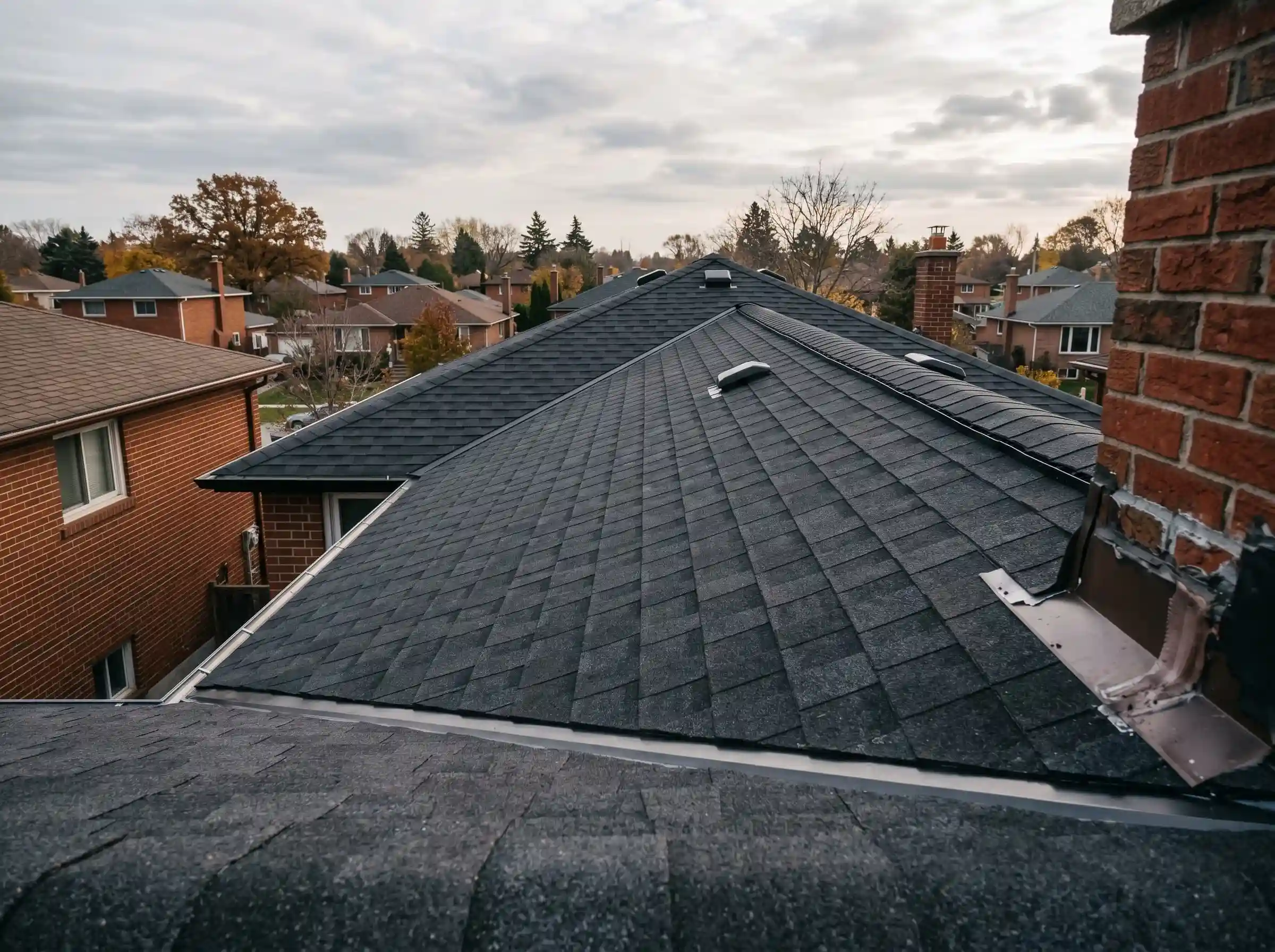
Where replacement is needed, the proposal should identify the actual component, material, dimensions, attachment and compatible installation detail. A flue termination must continue to suit the chimney and appliance. A roofer should not substitute an attractive cover without the appropriate chimney expertise.
If a broad metal chase cover is involved, drainage, seams and connections need a complete detail. Simply putting new material over a deteriorated arrangement may conceal the condition that should have been examined.
Coordinate any masonry or roof-flashing work at the same visit. The old stain may remain after the source is corrected; that does not automatically mean the new component is failing. Judge ongoing wetting and fresh runoff separately from historic discolouration.
Source, Condition, Appearance
Correct the source before deciding how far to pursue appearance cleaning.
Identify the component
Distinguish flue cap, metal chase cover, crown and attachments.
Inspect the metal
Separate surface corrosion from holes or insecure parts.
Restore the function
Specify a compatible component and complete water-shedding detail.
Treat the stain
Use material-specific cleaning with adjacent roof protection.
Cleaning Has Its Own Compatibility Question
The Brick Industry Association's appearance-treatment guidance stresses assessing masonry condition and surface issues before treatment. Ask the cleaning contractor to identify the stain and test an appropriate method rather than choosing an acid or abrasive by colour alone.
Products suitable for brick may be unsuitable for shingles, metal finishes or nearby plants. The work scope should address protection and runoff. Do not pour a rust remover down the chimney face and let the roof become the test panel.
If cleaning cannot remove every mark without unacceptable surface damage, discuss the appearance limit before agreeing to more aggressive work. The priority is a sound, properly functioning assembly, with cosmetic treatment proportionate to what the materials can tolerate.
Keep source-repair and cleaning records separate. Revisit the same view after subsequent rain. New streaking may justify another inspection; an unchanged old mark may simply be the part of the story that the repair did not erase.