
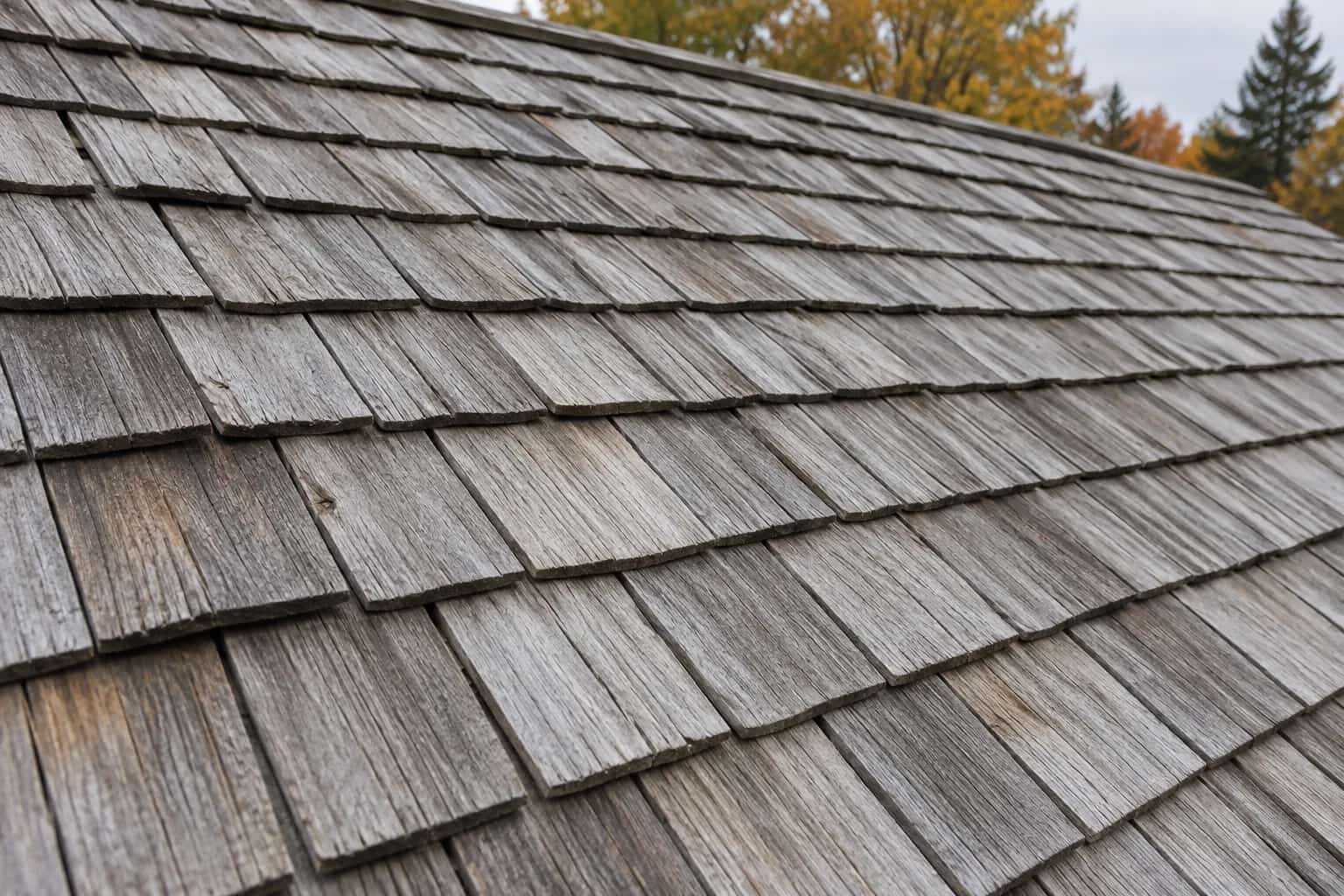
Assess the cedar before buying a treatment. Silver-grey colour does not by itself establish failure, and a fresh spray does not repair defective wood. A named, suitable product needs a defined benefit on a roof worth treating.
The cedar treatment brochure offered an impressive before-and-after photograph. Dave liked the colour. Pat wanted to see the valleys and the wood condition first. "The roof doesn't get sounder just because the camera likes it."
Start With the Roof, Not the Spray
Have someone familiar with cedar assess the covering, fasteners, valleys and penetrations. Ask which areas remain serviceable, which need local repair and whether deterioration is widespread.
Grey colour alone is not a complete condition assessment. Nor does a freshly cleaned surface establish that the underlying wood is sound. A proposal should explain the roof's repairability before selling an appearance change.
Debris trapped in valleys or between components can hold moisture. Clearing it safely and correcting local defects may be more immediately useful than applying a product across the entire roof.
Cleaning, Repair and Treatment Buy Different Results
A proposal can include all three, but each should have an identifiable purpose.
Cleaning
Removes material from the surface using a suitable method; it does not restore unsound wood.
Repair
Corrects identified defects in the covering or junctions; price this necessary work separately.
Treatment
Applies a compatible product for a defined benefit; verify the Canadian label and claims.
Ask for the Actual Product
The Cedar Shake & Shingle Bureau roof manual urges homeowners to examine treatment products carefully. Its guidance favours products expressly suitable for cedar roofing and warns against unsuitable film-forming or improvised treatments and extravagant claims.
Request the product name, label, safety data and written confirmation of suitability for this roof. If it makes pesticidal or preservative claims, confirm its permitted Canadian use and follow the Canadian label. An approval or marketing claim from another country does not answer that question.
Also ask whether the existing roofing was factory-treated and whether the proposed application is compatible. If records are missing, have that uncertainty resolved with the product supplier rather than guessed away.
Cleaning Can Become the Bigger Risk
The contractor should describe how debris and growth will be removed without damaging the wood. Aggressive washing can harm an already weathered surface. A dramatic before-and-after photograph says little about the condition left behind.
The garden beneath the roof deserved a line in the proposal too. We wanted the runoff, plants and adjacent materials protected, with suitable weather and safe roof access included in the method. Nobody was sending the homeowner onto wet cedar with a pressure washer to recreate the brochure photograph.
If growth is the main concern, read moss, shade and tree management and request advice specific to cedar rather than applying an asphalt-shingle cleaning recipe.
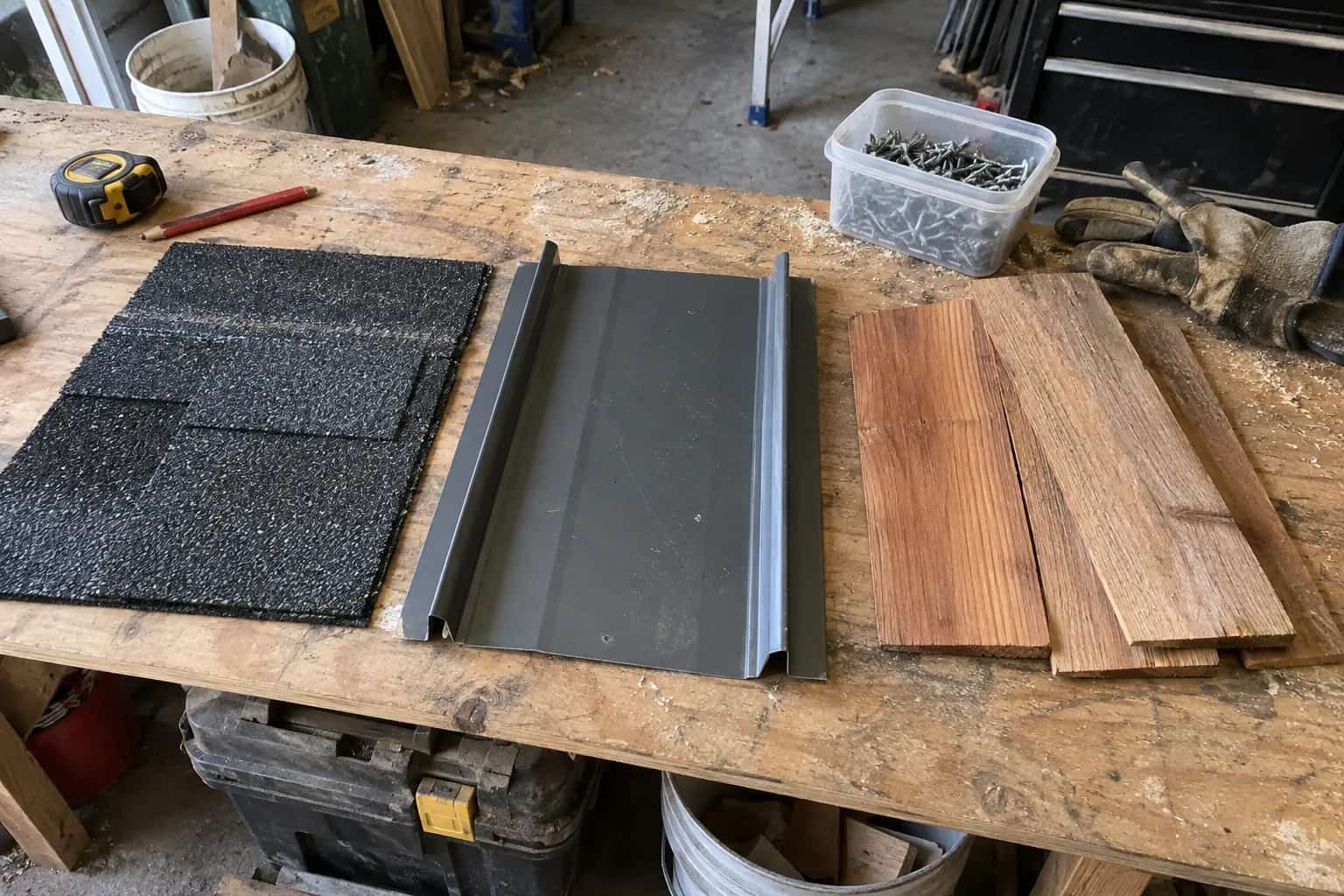
Give cleaning, repair and treatment their own lines
Cleaning changes what is on the surface. Repair replaces or corrects defective roofing. Treatment applies a product for a stated purpose. One proposal may include all three, but they should remain separate items you can judge.
We split the proposal into cleaning, repair and treatment, then returned to the photograph. If appearance was the benefit, it could be judged as appearance. A preservation claim needed the product's permitted use, compatibility and evidence. Unsound wood still needed repair. Dave's preferred colour was allowed a vote; it was not allowed to chair the inspection.
This makes an ambitious lifespan promise easier to question. What specific condition will the work improve, and what necessary roof work will still remain afterward?
Put the Benefit in Writing
A useful proposal distinguishes cleaning, local repairs and treatment. It states the intended benefit, maintenance needs and limits of any guarantee. It does not promise to add a fixed number of years without considering the roof's condition.
Pay for the condition you can improve. Serviceable cedar with a defined maintenance need is different from decayed roofing dressed up for another season.