
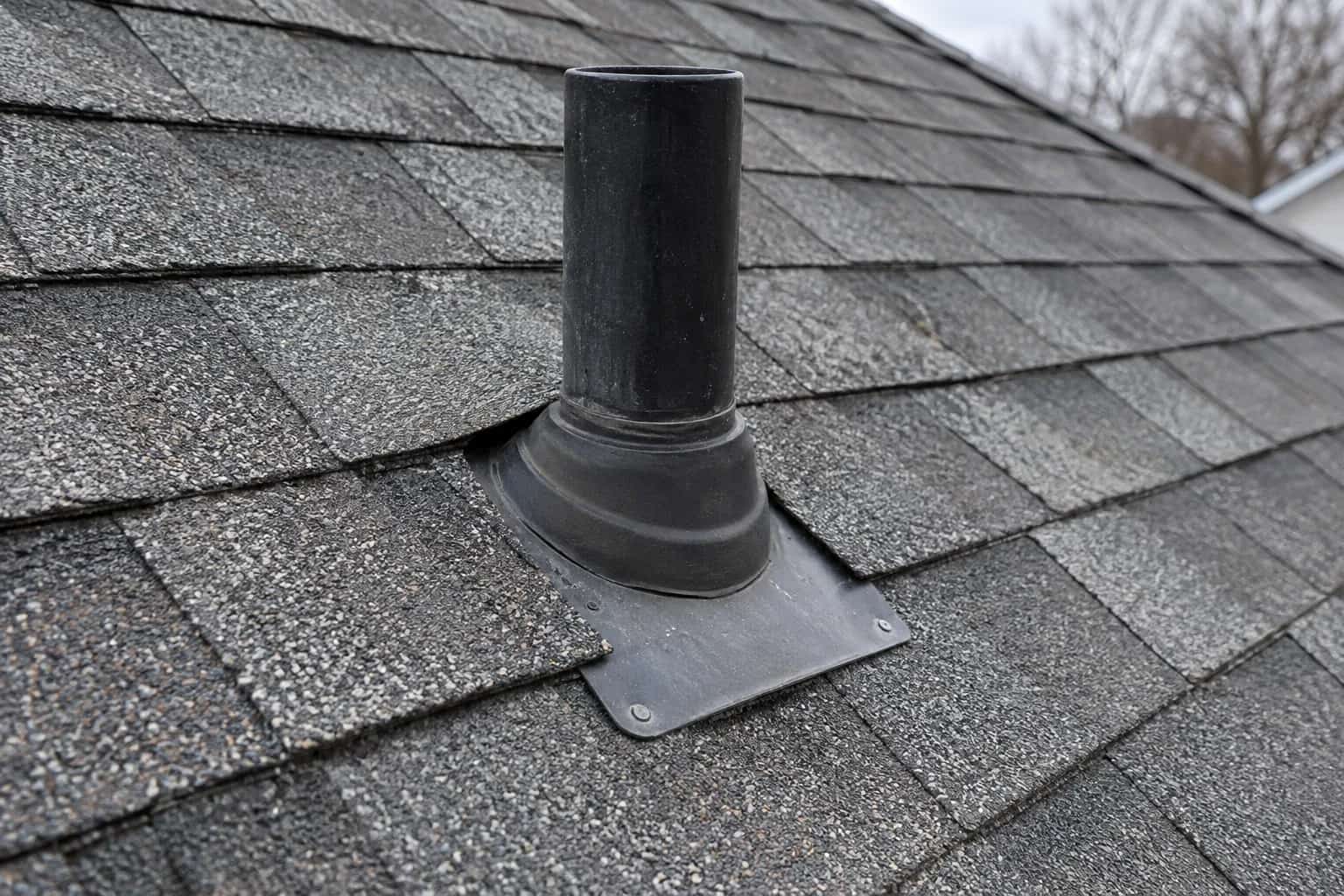
The bathroom basin gurgles when the toilet flushes. Someone notices the open pipe on the roof and suggests putting a cap on it. That is a good moment to pause the repair discussion.
An open plumbing vent is intentional. Do not seal it because it looks unfinished or because an indoor drain smells. Venting, drainage blockages and dry traps can produce overlapping complaints. A plumber should establish which part of the system needs attention before anyone goes onto the roof.
If an unexplained smell could be natural gas, treat that as a separate immediate concern. Enbridge Gas advises leaving the area and calling from a safe location. Do not assume a sulphur or rotten-egg smell is a drain problem and stay inside investigating it.
The pipe has a different job from its flashing
The plumbing vent connects to the drainage system and allows air movement. Oatey's explanation of drain, waste and vent systems describes the pressure balance that helps protect the water seals in traps. The roof flashing around the outside of the pipe keeps rain out of the roof assembly.
Those functions can fail independently. A cracked rubber boot may admit rain while the vent remains open. A sound-looking boot does not establish that the vent pipe or drainage system is clear. Our pipe-boot guide addresses the waterproofing side.
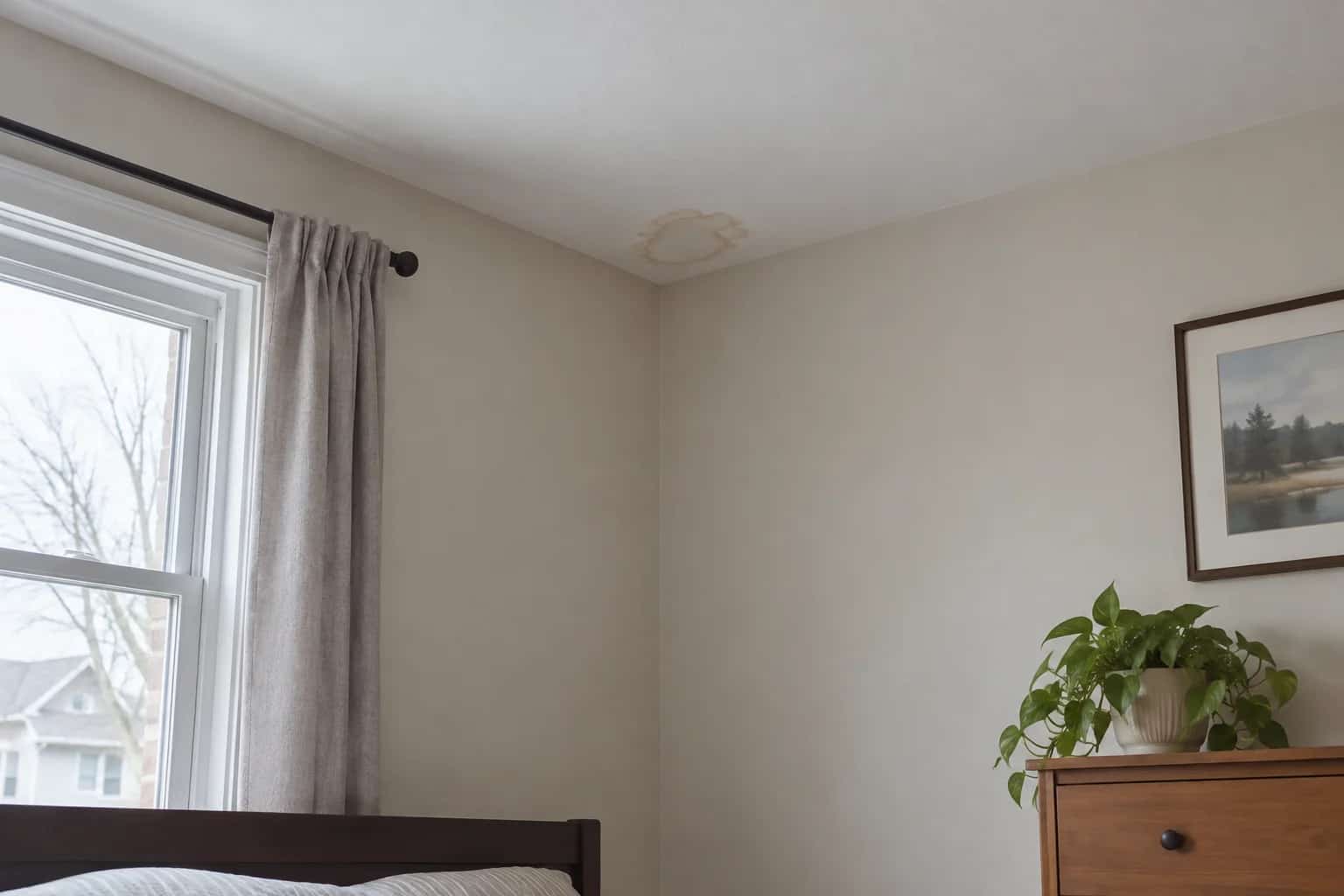
Write down the actual symptom before calling. "Water stains after rain" and "the bath drain bubbles when the toilet is flushed" lead to different investigations, even when both happen near the same vertical pipe.
Keep the clues separate
Different observations point to different checks.
Noise or slow drainage
Record which fixtures are running and which others respond.
Odour
If natural gas is suspected, leave immediately and call for help from a safe location.
Rain entry
Inspect the pipe flashing and roof-water route separately from vent function.
Record which fixtures affect one another
Note which sink, toilet or tub is in use when the noise occurs, whether drainage is slow, and whether other fixtures are affected. A short video made from the room can be useful when the symptom is intermittent. Include recent plumbing alterations, roof work and the weather at the time.
Do not keep running fixtures to recreate a problem if water is backing up. Stop using the affected fixtures and arrange prompt plumbing help. If the problem began during roof replacement, tell both the plumber and roofer so the work sequence can be checked without assuming the cause in advance.
For odour without a backup, mention seldom-used floor drains or guest-bathroom fixtures. The City of Ottawa's sewer-odour guidance identifies dry traps as a common place to investigate. A trap that has lost its water seal is not evidence that the roof needs a new vent.
Let the diagnosis determine the access
The plumber may need to assess the drainage line, trap condition, vent connections or an existing air-admittance valve before requesting a roof inspection. Ask what finding points toward the roof outlet and what the proposed check will establish.
If roof access is needed, arrange it with people equipped for that roof and the conditions. Snow, ice and a steep slope do not become reasonable homeowner access because the pipe looks close to the ladder. Do not push a garden hose, drain snake or improvised tool down the vent from the roof as a first experiment.
A useful roof report identifies the pipe, records any visible obstruction or damage, and explains the corrective work. If a problem recurs in cold weather, have the professional assess the relevant vent arrangement rather than adding a generic cap or trimming the pipe to a convenient height.
A small valve is not a blanket replacement for the roof vent
Air-admittance valves can serve particular plumbing applications where permitted. Oatey explains that they admit air in one direction and do not simply replace a building's entire open venting arrangement. Their suitability and installation requirements need the plumber's assessment under the applicable local rules.
That distinction matters during renovations. An unused-looking pipe should not be removed from the reroofing scope until its function is confirmed. Keep the identification with the vent-reuse decisions so the roofing crew has a clear instruction.
After repair, confirm the original symptom under normal fixture use and retain the findings. If there was also rain entry around the pipe, close out that repair separately. A quiet drain and a dry ceiling are two useful results, and each needs the right work behind it.