
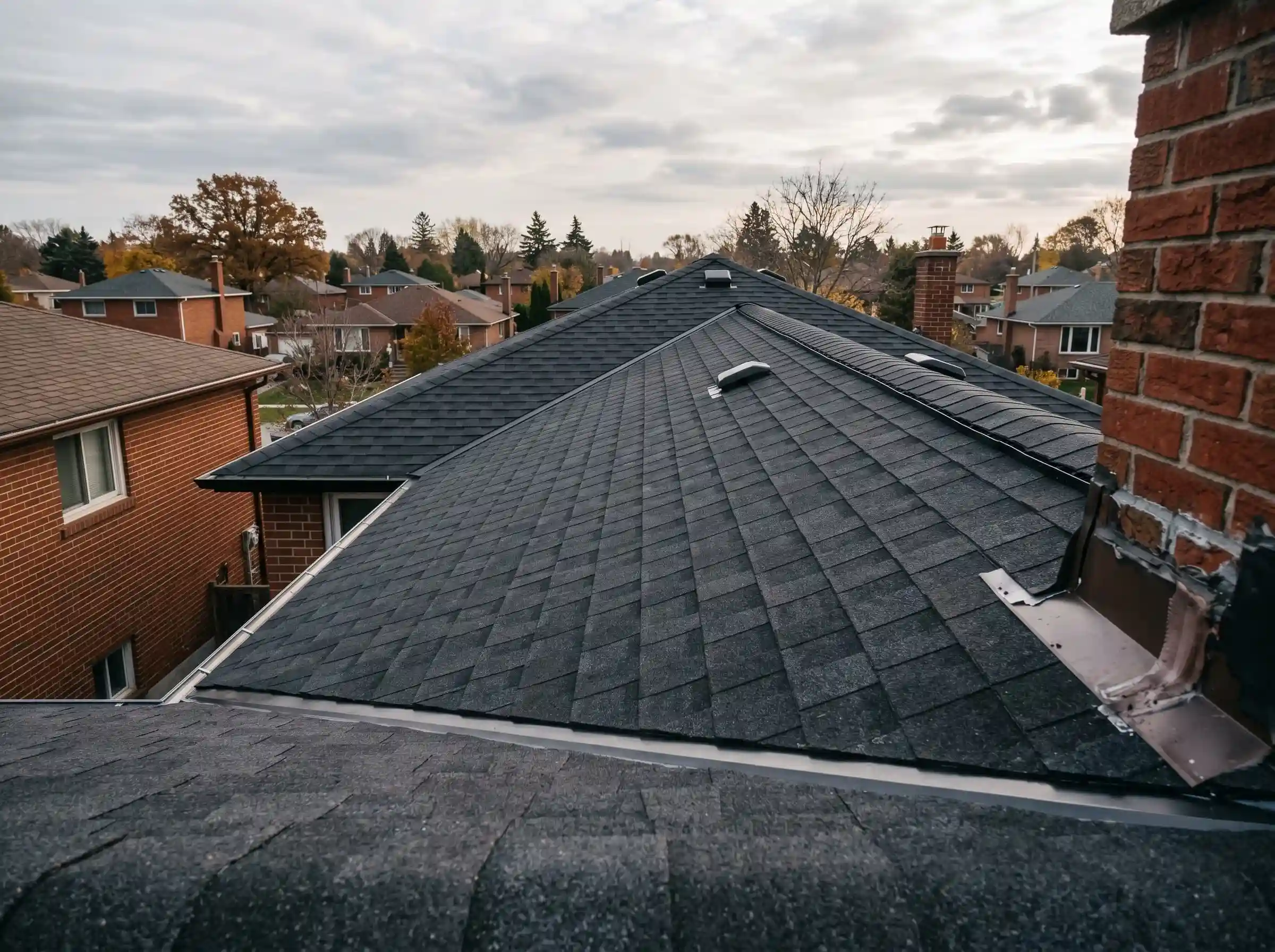
Dark streaks run down the front roof. Around the shaded side, green tufts sit along the shingle edges. You start looking at the pressure washer in the garage.
Keep it off the shingles. Black streaks are often algae staining; moss is thicker growth that can interfere with the roof's drainage. They need different attention, and an aggressive cleanup can leave either roof worse than you found it.
Paul has the pressure washer out for the paving when he notices the roof streaks. Dave is glad the conversation happens while the machine is still on the ground. The black marks and the green cushions on the shaded slope deserve different questions; neither needs an enthusiastic blast from the driveway equipment.
First, is it a stain or something growing above it?
Black or brown streaks on asphalt roofing are often algae. They are not, by themselves, proof of mould inside the house or a roof that needs replacing. GAF describes algae staining as a common source of this discolouration.
Moss looks more like small green cushions or a thicker mat. It favours damp, shaded areas, including north-facing slopes and places beneath overhanging branches. On an Ontario street with mature trees, compare the shaded roof with the sunnier side; the difference can be noticeable.
Use that comparison to decide what needs a closer look. A photograph from the pavement will not distinguish every growth, stain or patch of exposed asphalt.
Identify it before cleaning
Dark streaks or thick moss?
Different surface changes call for different responses. Start by identifying what is there.
Discolouration does not by itself prove roof failure.
Algae can create dark streaks on asphalt shingles. Have the growth identified and use the roofing manufacturer's cleaning guidance.
- Check
- The product and approved cleaning method.
- Protect
- Plants and surrounding surfaces during treatment.
- Avoid
- High-pressure washing or abrasive scrubbing.
Identify the roof covering and follow its manufacturer's instructions. A cleaning result does not establish remaining roof life.
Check what the moss is hiding
The Asphalt Roofing Manufacturers Association distinguishes algae's appearance effects from moss that can lift shingle edges and disrupt water shedding. Thick growth deserves attention before it spreads further.
Ask for an inspection if growth hides the shingle edges or sits beside lifted, cracked or bare areas. Cleaning cannot restore missing granules or mend a damaged shingle. The useful question is whether the material underneath remains serviceable.
Streaks alone on sound shingles give you time to identify the product and choose a suitable cleaning method. A roof can look dramatically cleaner without being in better repair. Settle the condition first.
Pat asks whether the shingle edges can still be seen beneath the growth. Paul had been judging the roof by colour alone. A dramatically cleaner surface can still have damaged material underneath, so condition comes before the before-and-after photograph.
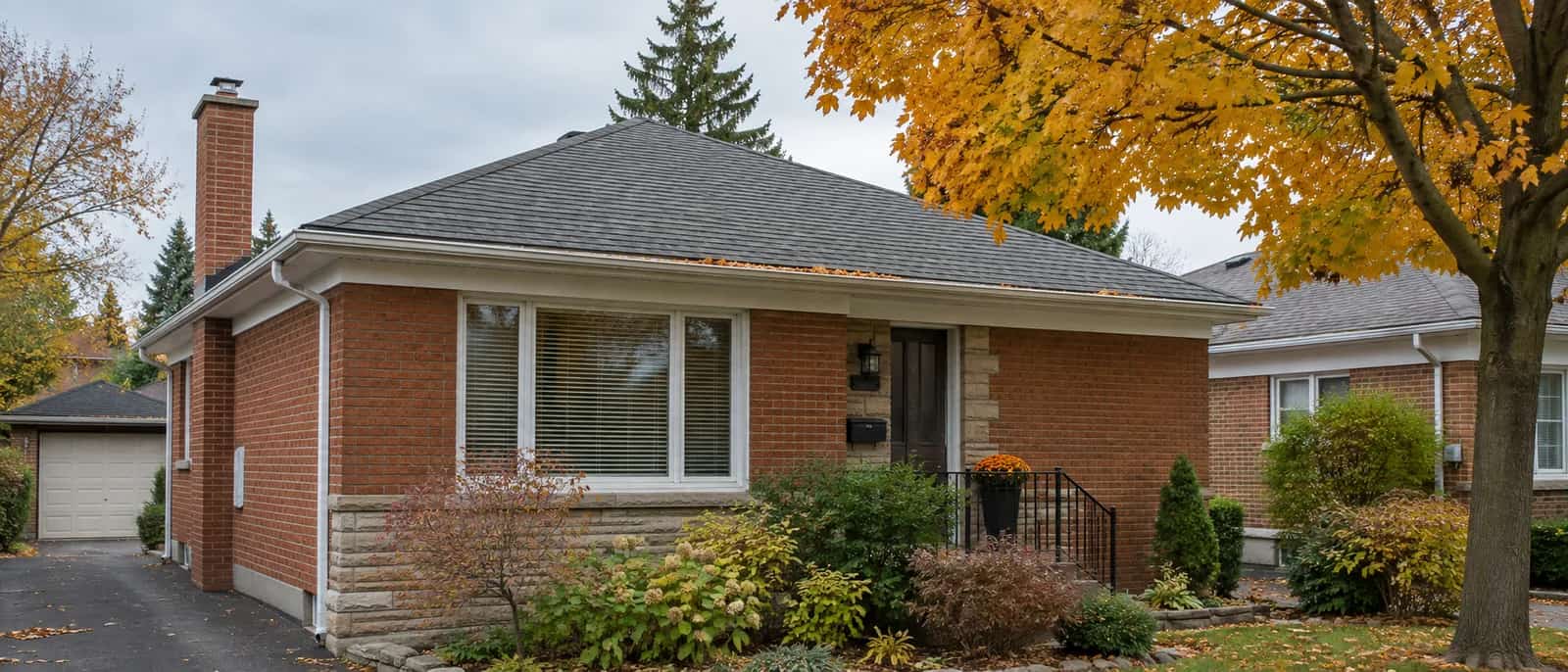
"Soft wash" still needs an explanation
No pressure washing, hard scrubbing or scraping. IKO's moss guidance warns that these methods can strip granules and damage the shingles. Walking around on a wet, mossy roof adds another problem.
Before Paul books cleaning, Dave wants the allowed treatment, application and rinsing method, and protection for plants, finishes and runoff areas. Repairs need identifying first. A shiny service name cannot answer those practical questions for the actual shingles.
"Soft washing" describes a service, but does not answer those questions. Manufacturer methods differ. A stronger home-mixed solution is not an improvement you should improvise. Let a suitable professional handle roof access and application.
Give the shaded roof less to stay wet under
Have debris removed without abrasion, keep drainage clear and arrange appropriate pruning where branches overhang the roof. These steps help reduce persistent shade and damp debris; they do not promise a permanently spotless roof.
Algae-resistant shingles are worth discussing when replacement is already needed, but they do not prevent moss, as IKO notes in its guidance above. If the concern is bare patches rather than growth, read the granule-loss checks before paying for a cleaning.
The cleaning proposal says "soft wash" in large letters. Mike asks for the permitted treatment and the plan for plants and runoff in ordinary-sized writing. Paul also puts appropriate branch work on the maintenance list. The useful result is a serviceable roof, not winning the cleanest grey rectangle on the street.