
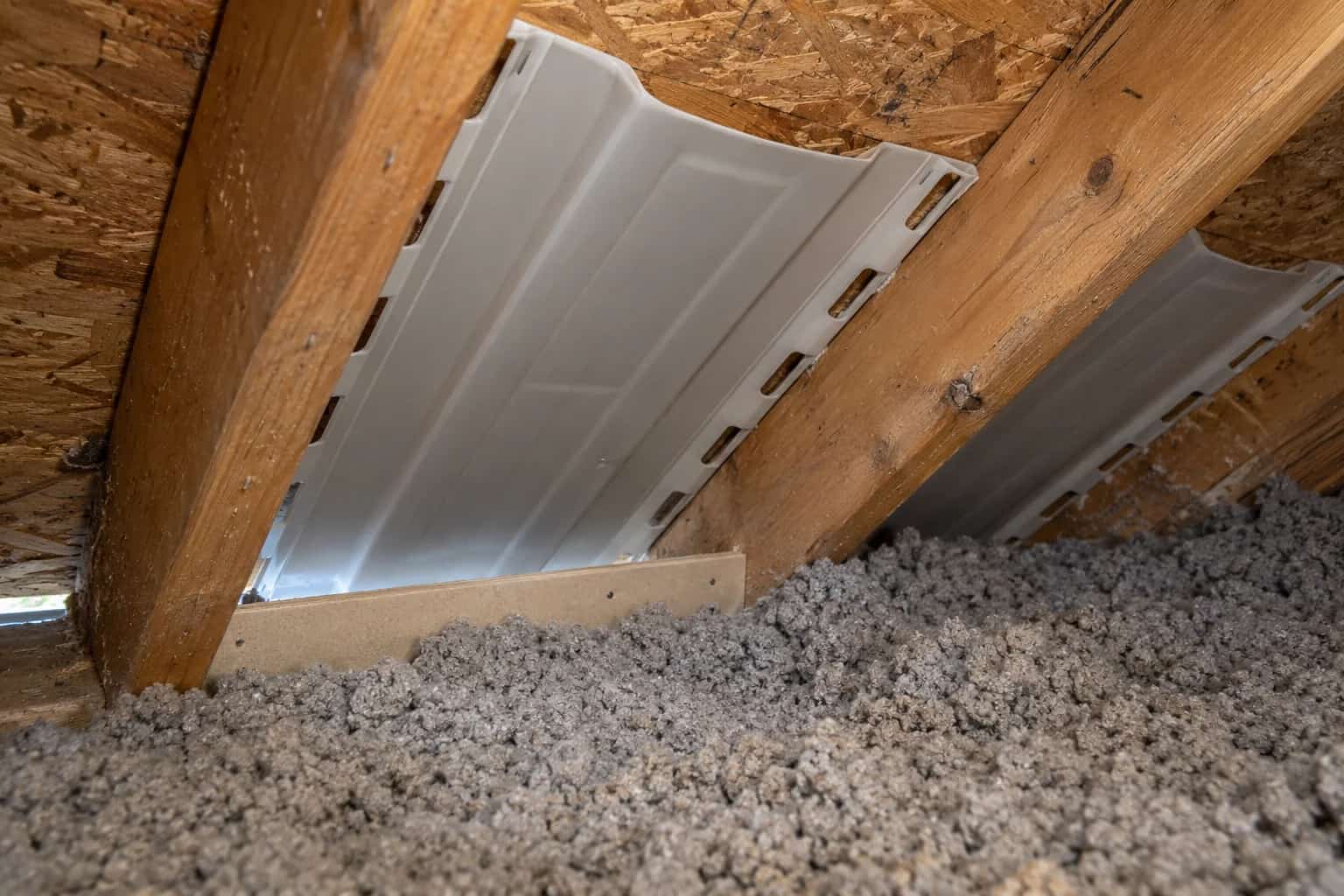
The ruler beside the hatch showed plenty of insulation. Farther over, the photographs showed a flattened service route and a shallow perimeter. Dave had been handed one reassuring number for three different conditions. Pat pointed at the picture. "We didn't insulate only the bit beside the ladder."
Compare representative areas and the product's coverage information before ordering more insulation. Low depth can reflect normal settling, compression, displacement or wetting. The original material and installation record matter.
A stated R-value is more useful when accompanied by the material, area, installed quantity and required settled thickness.
Measure more than the reassuring spot
Have the assessor compare representative locations, including the centre, perimeter and areas around service routes. A deep pile beside the hatch can coexist with a thin eave. Conversely, one flattened path does not prove the entire attic is under-insulated.
Before interpreting depth, we asked whether the visible layer was original or a later top-up. Mixed materials complicate the answer. Colour alone could not identify the product or tell us its thermal resistance, so the installation record was worth finding before anybody converted inches into a reassuring R-value.
The Natural Resources Canada attic guide discusses insulation installation alongside air sealing and ventilation. That context matters because adding depth can conceal unresolved gaps or block an eave passage.
Four Reasons the Depth May Be Low
Four shallow patches can tell four different stories:
- Broad, fairly even reduction may need comparison with specified settled thickness.
- A flattened route to equipment suggests disturbance or compression.
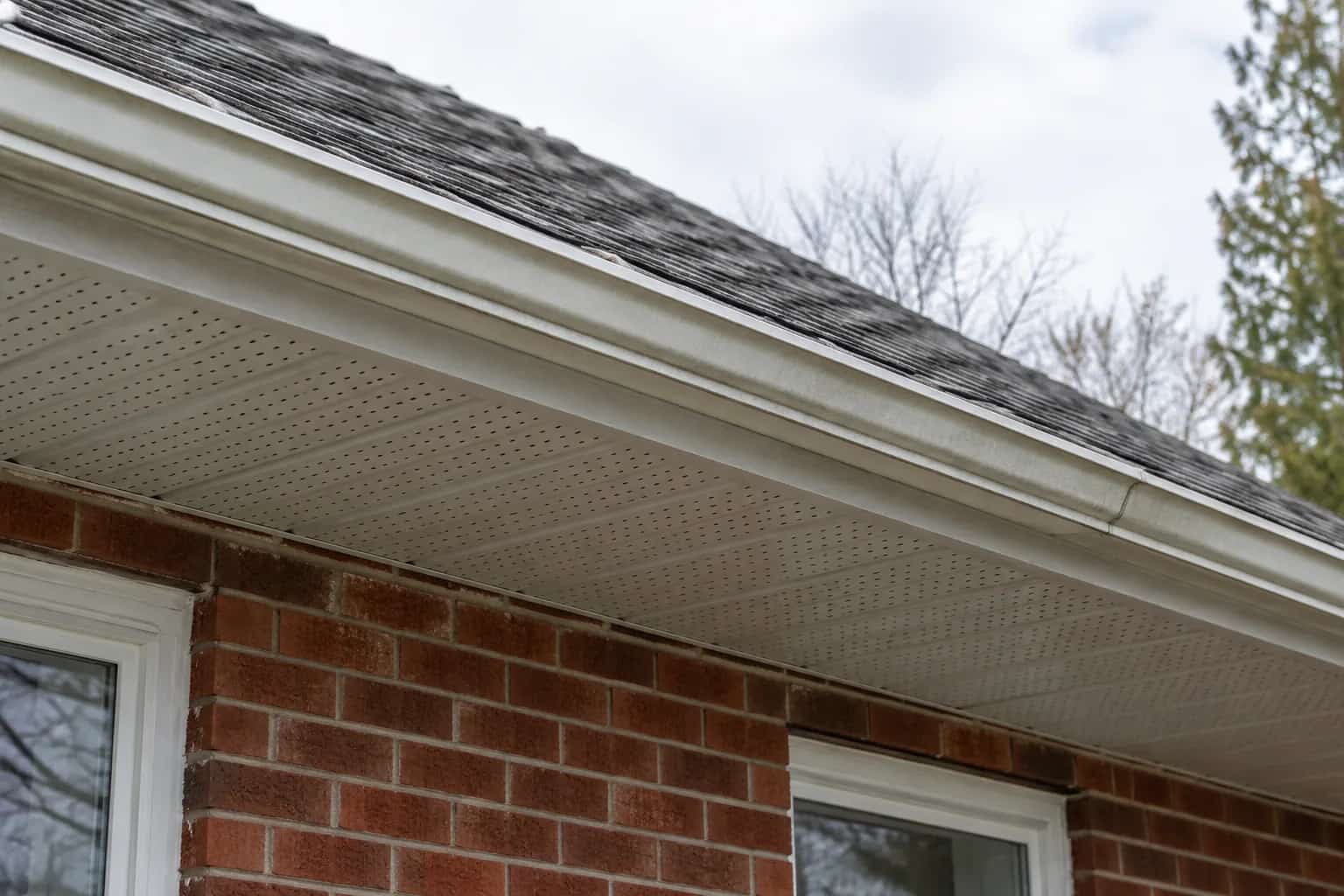
- A hollow at an exposed eave warrants an airflow check.
- Damp, altered material needs a moisture investigation.
The remedy follows the cause. More of the same material is not automatically the first step.
We separated the service path from the broad coverage question before discussing a top-up. The pattern needed an explanation tied to the product and measurements. "Old insulation always needs more" would not tell us whether to correct disturbance, investigate damp material or add coverage. Dave's single ruler photograph went back into the file with several less flattering companions.
Unknown granular material should be assessed before disturbance. Do not stir or sample it to decide what it is. Our vermiculite guide explains the appropriate pause.
Why the Insulation Surface Is Lower
The remedy depends on what changed the layer.
Product settling
Compare with the specific material's settled coverage requirements.
Compression
Identify storage or boarding that squeezed the insulation.
Displacement
Look for service paths or wind-related hollows.
Wetting
Find and repair the source before deciding what material can remain.
Specify the Finished Performance
A useful top-up proposal identifies the existing condition, target thermal resistance, added material and coverage requirements. It should explain how low eaves, hatch borders and service clearances will be handled at the new depth.
Ask for installed quantity and depth markers where appropriate, with photographs that show broad coverage rather than one ruler in one favourable location. The product's instructions determine how depth and quantity relate; a homeowner should not rely on a generic inches-to-R-value conversion for an unidentified mixture.
Before the new layer is installed, correct leaks and air-seal the ceiling. Afterward, keep the completion record with the house documents so future workers know what they are moving through.