
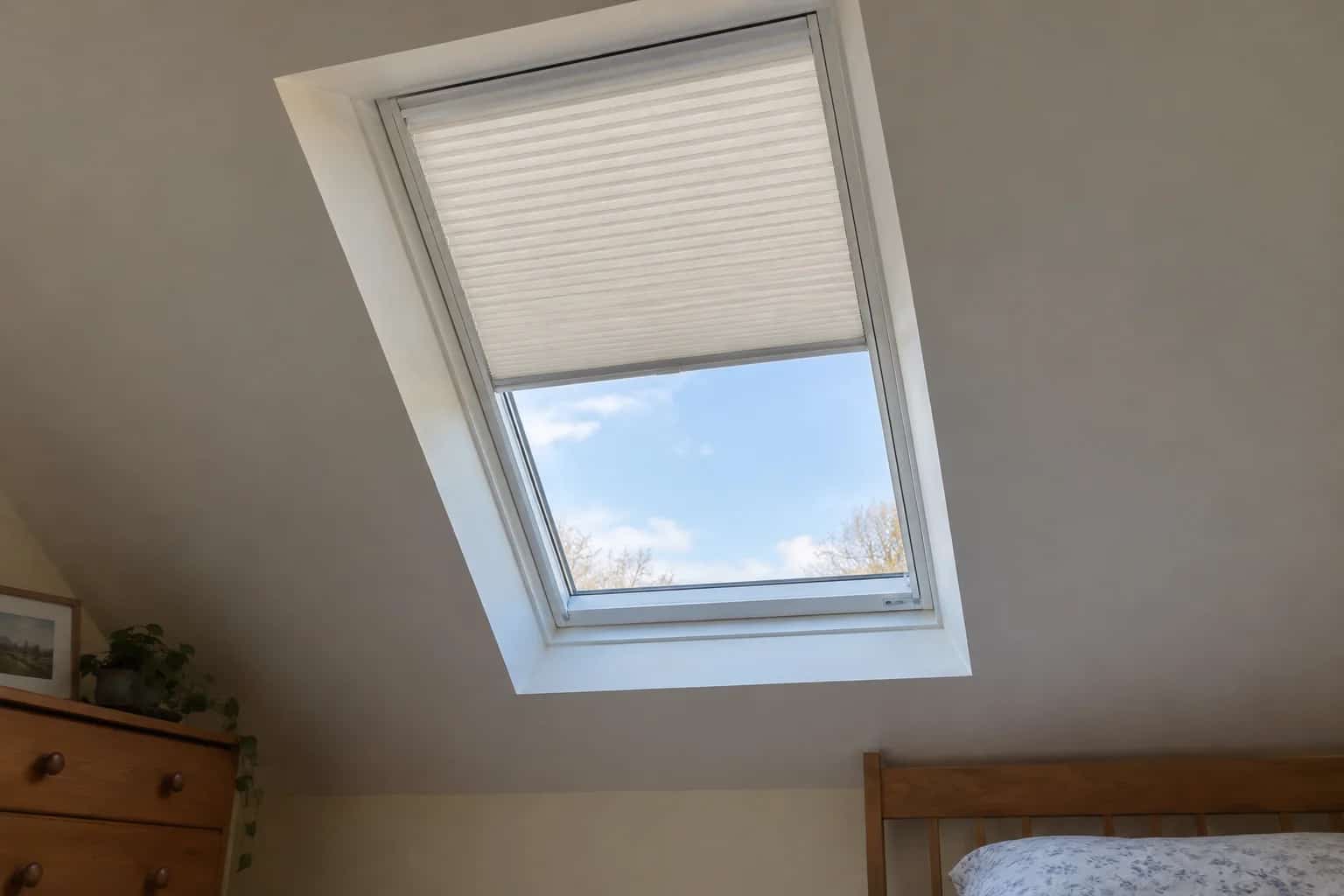
In July, opening the skylight after a shower feels like an excellent ventilation system. In January, with snow outside and the sash closed, the same plan has a missing step. Keep the bathroom's mechanical moisture-extraction provision unless a qualified design confirms an appropriate alternative. An opening window and a specified exhaust system do different jobs.
"Fresh air, yes," Dave says, looking at the bathroom sketch. "But who opens it after the second shower in February?" The silence does some useful design work.
The skylight may still be a worthwhile addition. Daylight, an outside view and optional fresh air are useful benefits. They do not establish how the room will clear shower moisture when weather, security or access keeps it closed.
Follow the moisture, not the moving sash
A mechanical exhaust fan moves room air into a duct that should terminate outdoors. Replacement air enters the bathroom through an intended route. The Home Ventilating Institute's bathroom guidance treats exhaust capacity, replacement air and operating time together.
Natural airflow through an open skylight changes with wind, temperature difference and other openings. Feeling a breeze is not a measurement of sustained moisture removal. It also says little about performance after someone closes the opening and leaves for work.
Picture a family bathroom with two showers before school. One person opens the skylight briefly; the next closes it because the room feels cold. The operating pattern is entirely understandable. Dave leaves the window on the drawing and puts the exhaust route back beside it. The moisture plan needs to work with that routine rather than depend on the last person remembering an uncomfortable task.
Two openings with different jobs
A daylight opening does not document the mechanical exhaust path.
Skylight open
Optional natural airflow depends on conditions and user operation.
Skylight closed
Daylight remains, but an open-window airflow route is unavailable.
Mechanical extraction
A specified fan or central system provides the designed outdoor exhaust.
Replacement air
The room needs an incoming air route while extraction operates.
Keep the roof outlet and the daylight opening separate
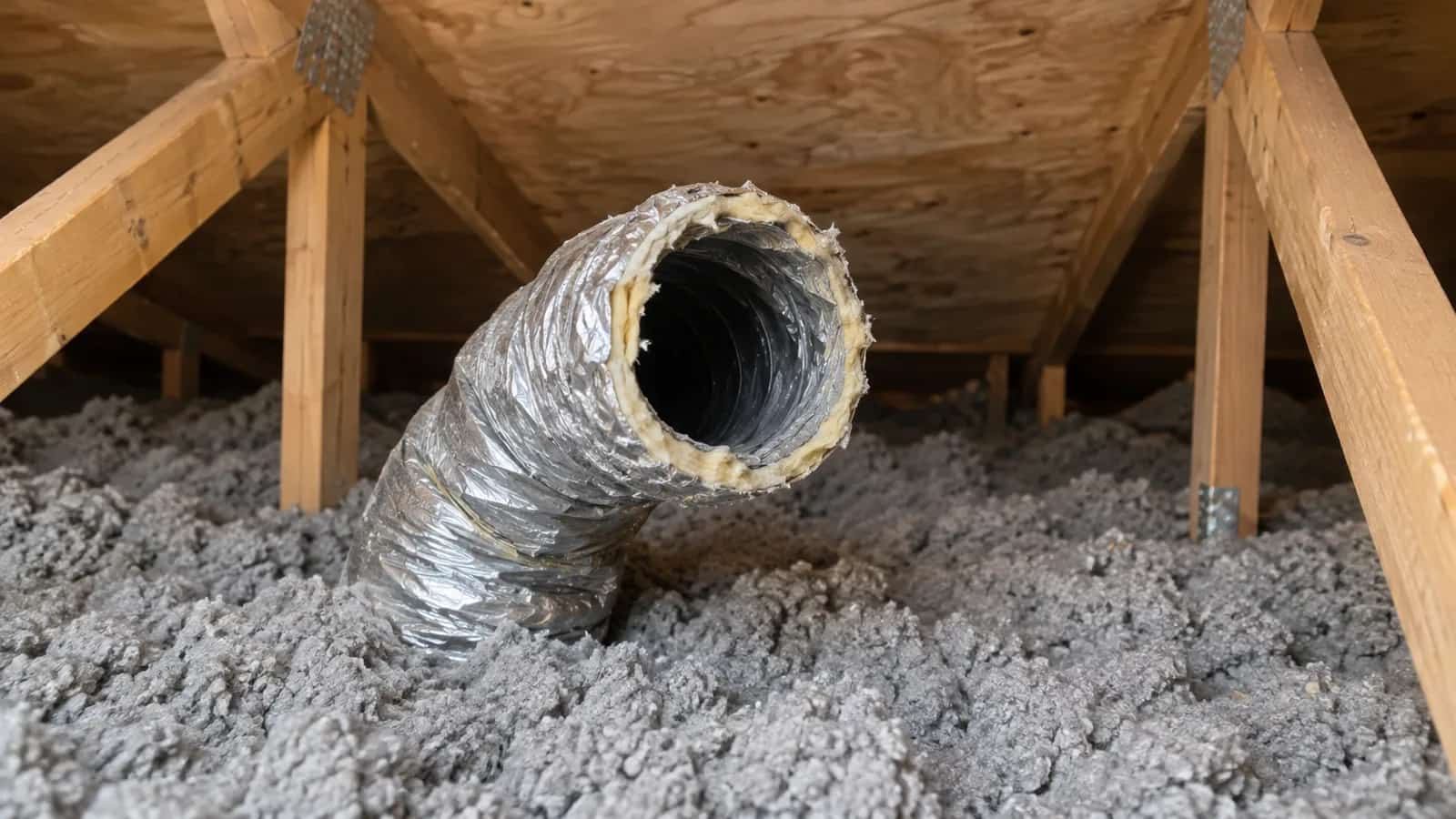
If a reroof or new skylight changes the available roof space, ask the installer to show both penetrations and their connected routes. Removing an old cap should not leave the fan duct disconnected under the new roof. A cap near the skylight may belong to a different service, so its identity comes before alteration.
Broan-NuTone's Canadian FAQ explicitly rejects exhausting bathroom air into attics and other enclosed building spaces. Routing a fan towards the skylight shaft does not make it an outdoor connection. The complete fan-route guide explains what should be documented.
For a home using a central ventilation system, a bathroom extract grille may be part of that design rather than a separate ceiling fan. Establish what already serves the room before adding or removing equipment. The question is whether the required extraction is provided, not whether every bathroom must have an identical visible box.
A wet skylight can expose a different problem
Droplets on room-side glass after showers can prompt the reasonable thought that the skylight itself is leaking. Timing, location and rain conditions matter. A cold surface can collect indoor moisture even while an exhaust fan is running, especially if extraction or replacement air is inadequate.
If the fan performs better with the door ajar, investigate the replacement-air route. If staining appears after rain on a dry-use day, the exterior connection belongs in the inspection. These clues direct the search; they do not justify sealing the skylight shut or replacing its flashing without assessment.
Persistent wet finishes need attention as well as changing the room's operating routine. Drying the visible glass does not prove the shaft insulation or framing is dry.
Plan for the least convenient weather
Write the proposed bathroom arrangement in plain language: which component extracts air, where it discharges, how it is controlled and how replacement air arrives. Have the designer or qualified ventilation installer confirm applicable Ontario requirements for the actual renovation.
Then test the proposed routine mentally on a cold, wet morning. The skylight is closed. The door is in its normal position. Can the specified extraction still operate? Can the person using the room reach its controls? A timer or suitable automatic control can make the routine easier, but it cannot repair a blocked duct. The timer is good at remembering. Plumbing an airflow route into existence is outside its talents.
Choose the skylight for what it adds to the room. Keep the exhaust system responsible for the job it must do even when opening a window is the last thing anyone wants.