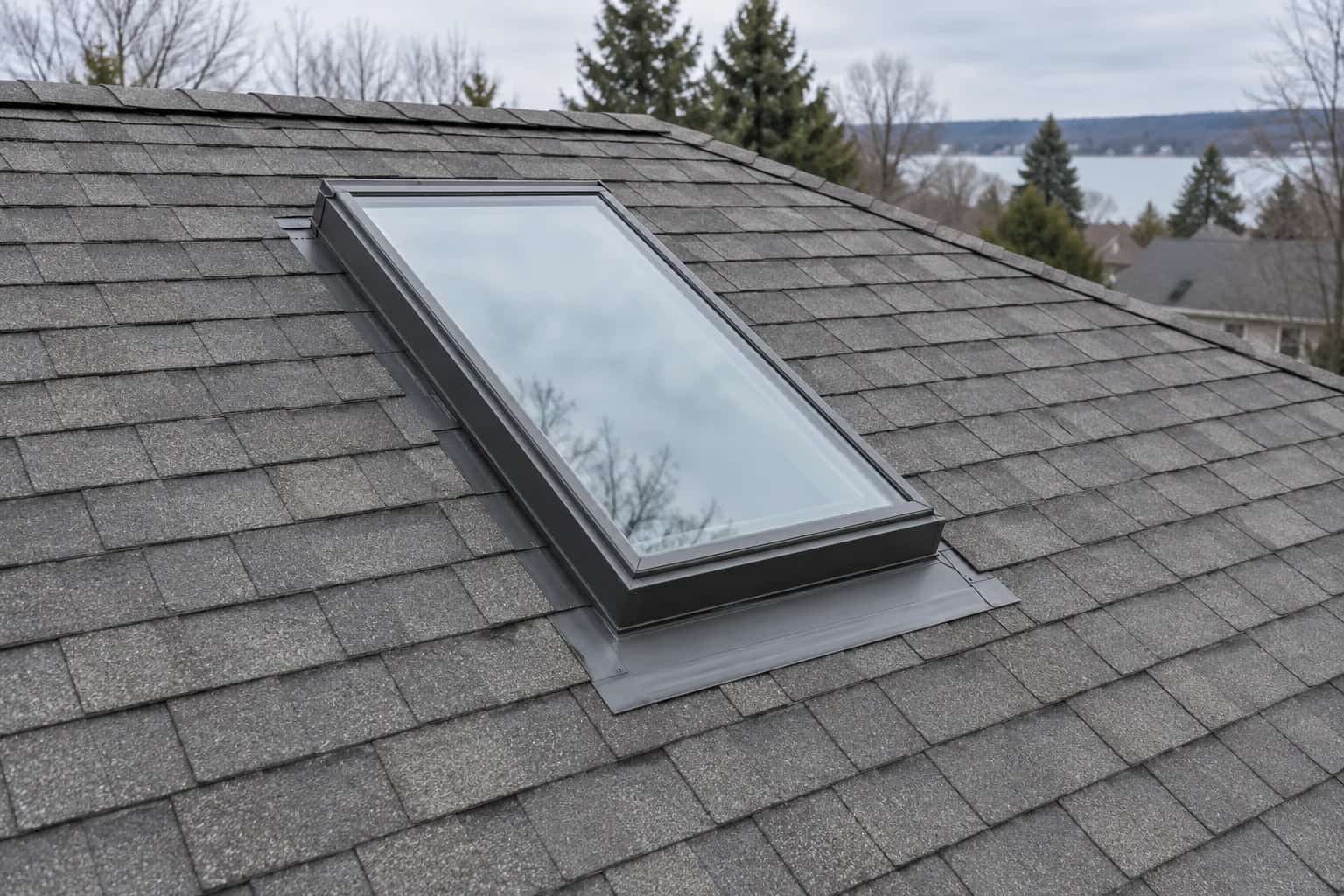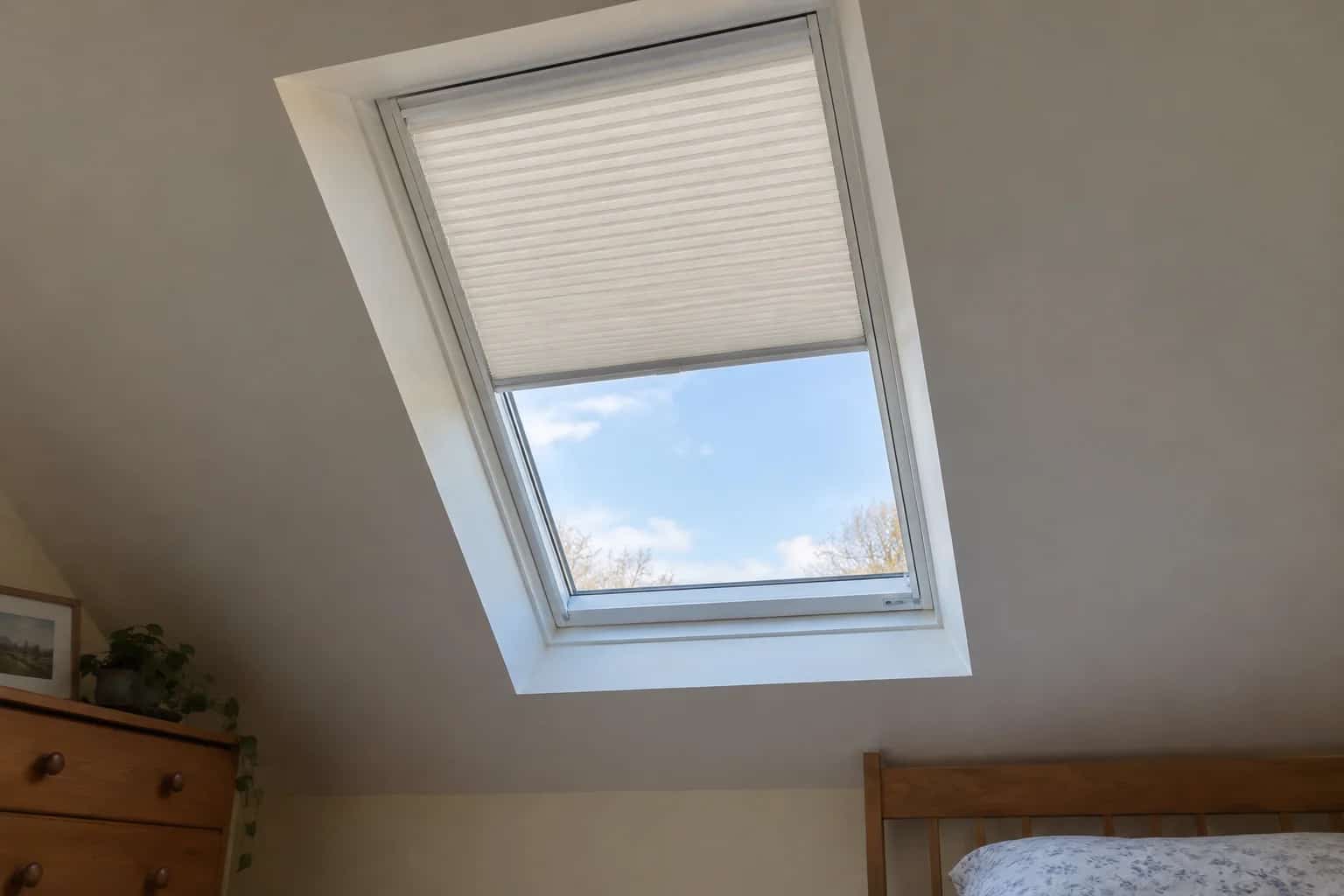
The skylight is lovely until its bright patch reaches the laptop at two o'clock. Closing the room's wall curtains does nothing because the offending window is overhead. Choose the shade around the light you want to keep, not only the light you want to stop.
Pat shifts the chair half a metre and the screen reflection disappears. "That helps the chair," he says. "Now what happens when you want to sit where the desk actually belongs?" A reversible room change can reveal the problem without becoming the whole solution.
A light-filtering shade can soften incoming daylight. A room-darkening shade serves a different purpose, especially for sleep. An adjustable slatted product offers another way to manage light direction where a compatible model is available. The VELUX Canadian shade guide distinguishes these options; they are not interchangeable versions of the same fabric.
Write down the actual annoyance
Glare is not identical to an overheated room. You may be squinting at a screen even when the air temperature is comfortable. Or the room may become hot while the light itself feels pleasant. Record the time, where you sit and whether the problem changes when you move out of the direct patch.
For an office, try a reversible desk-position change before ordering. If turning the screen removes the reflection while the room stays bright, you have learned something useful. It does not mean a shade is unnecessary, but it makes the goal clearer.
For a bedroom used during daylight hours, gentle diffusion may still leave far too much light. Our sun-tunnel blackout guide covers the corresponding question for a round tubular device; a rectangular skylight shade will not solve that different opening.
Compare three ordinary room routines
Breakfast kitchen: you want to see the counter without harsh direct sun in your eyes. Light filtering is a sensible option to investigate. Check what the fabric looks like with daylight behind it rather than judging a swatch laid on a table.
Shift worker's bedroom: darkness is the priority during a particular part of the day. Ask about the fitted system's edge treatment, operating range and expected room-darkening performance. Wall windows and door gaps still affect the room; a roof shade cannot darken an uncovered side window.
Desk under a moving sun patch: adjustable or partly closed shading may let you keep daylight elsewhere. Consider whether the control position will actually be convenient during work. A manual control that can only be reached by moving the desk is less likely to be used.
These are use cases, not a ranking of fabrics. A darker shade is not automatically the better purchase. Pat's office sketch still has daylight on the bookcase and less direct light at the desk. That is the point of a controllable shade: the room gets more than two settings, dazzling and cave.
Model fit comes before colour
Use the skylight's product identity, size and generation to confirm compatibility. Do not order from the plasterboard opening dimensions. The frame and accessory mounting points are what the product must fit.
For an older unit, ask whether an approved adapter is required and available for that particular model. Have the supplier include the fitting kit, controls and any electrical work in the price. A remote on the box does not establish compatibility with the remote already in your drawer. The drawer may contain three generations of optimistic purchases.
Where the skylight is above stairs or a high shaft, include safe installation and later service access. That practical cost belongs in the comparison between control types.
Choose the light behaviour
The useful difference is how the shade changes the occupied room.
Soften daylight
Light filtering reduces harshness while retaining transmitted light.
Darken for sleep
A compatible room-darkening system targets a different routine.
Adjust through the day
Partial closure or suitable slats can follow changing needs.
Reach the control
Match operation and service access to the height and room layout.
Keep heat claims in proportion
A shade can change solar exposure, but a product's advertised energy-performance improvement is not a promise of the same percentage reduction in your household bill. Check what was tested, which shade and unit were used, and what the claim measures.
If overheating drives the purchase, review the skylight's solar-gain rating and room conditions as well. A glare solution and a cooling solution may overlap without being identical.
Avoid an improvised glass-film shortcut. VELUX's FAQ advises against store-bought film on its skylight glass. Obtain the actual maker's position before attaching anything to another product. A fitted, compatible shade gives you a controllable change; the right choice should improve the hours when you use the room, not leave it permanently dim.