

Dave is about to tidy the damaged shingles into a pile when Mike asks which pieces the examiner wants retained. The claim has not been opened yet. The owner has photographs, a repair quote and a strong opinion about the roof. What the file needs first is the manufacturer's instructions, before the useful evidence leaves with the waste.
Notify the manufacturer promptly and ask what evidence it needs before the affected material is removed. A contractor's opinion can support the file, but the warranty provider still has to assess the claim under its own terms. Keep urgent protection moving while coordinating the evidence.
Start With a Claim Reference
Use the contact route in the warranty for your installed product. Save the acknowledgement, reference number and the name or contact details of the examiner. A message to the installer is useful, but confirm that the manufacturer itself has received notice.
GAF's Canadian claims centre provides a direct opening process and then sends next-step information. Its published requirements include installation-date evidence, ownership or proper-transfer evidence, and photographs of the reported problem.
Check the notification deadline in your own warranty. Do not wait for a perfect photographic report before asking how to open the claim. A submission-completion period and a deadline to give initial notice are different things.
Give the Roof a Short, Verifiable History
Build the file around the affected roof area. Include the product name, installation invoice, date, installer and any subsequent work. A porch completed later than the main roof needs its own dates. If the product identity is uncertain, say so and provide the records you have rather than selecting a likely model from a colour chart.
Add a simple chronology: when the change was first noticed, what it looked like, whether leakage occurred and which inspections or repairs followed. Distinguish your observation from a professional conclusion. "Several tabs split on the rear slope" is more precise than "the roof failed."
Pat numbers the roof areas on a sketch before numbering photographs. Otherwise, a very thorough phone album can look like an argument about the same crack from twenty angles. Save original photographs as well as the versions sent in messages. Mark their locations on a simple roof sketch. An examiner needs to know whether six close-ups show six areas or the same shingle six times.
Keep the Evidence Connected
A claim file should let an examiner connect the installed product, location and reported change.
Notify
Open the manufacturer's claim and record its reference and instructions.
Identify
Connect product and installation date to ownership and roof area.
Document
Provide wider and detailed images with the observed problem.
Coordinate
Arrange requested sampling and urgent work without losing the record.
Samples Need a Removal and Repair Plan
The manufacturer may request physical material. GAF's Canadian page says it may require two full-size shingles from the affected area and recommends removal by an experienced roofer. Follow the actual request for your case; do not cut up an arbitrary spare piece or climb up to collect evidence yourself.
Dave writes "repair opening" beside "remove sample." The roof does not get a day off from rain because part of it is becoming evidence. Ask who selects the sample locations, how the roof will be made weather-tight afterward, and how the material should be labelled and shipped. Photograph the affected area before and after removal. Keep copies of the submission documents and shipment record.
A sample is useful only if its origin and handling remain clear. Keep different roof areas or product batches identifiable where the examiner asks for that distinction.
What If the Roof Needs Repair Now?
Tell the examiner about active leakage or a necessary urgent repair. GAF's claims guidance advises opening the claim and communicating the need for work before evaluation is complete; loss of required evidence can affect the claim.
That does not mean leaving people exposed to an unsafe or wet building. Arrange appropriate help and document the condition, work and retained material as the examiner directs. Keep people away from unstable ceilings or electrical hazards. Roof access belongs with an equipped professional.
For storm-related damage, the insurance claim route may also matter. A manufacturer claim and an insurance claim ask different questions; do not assume one replaces the other.
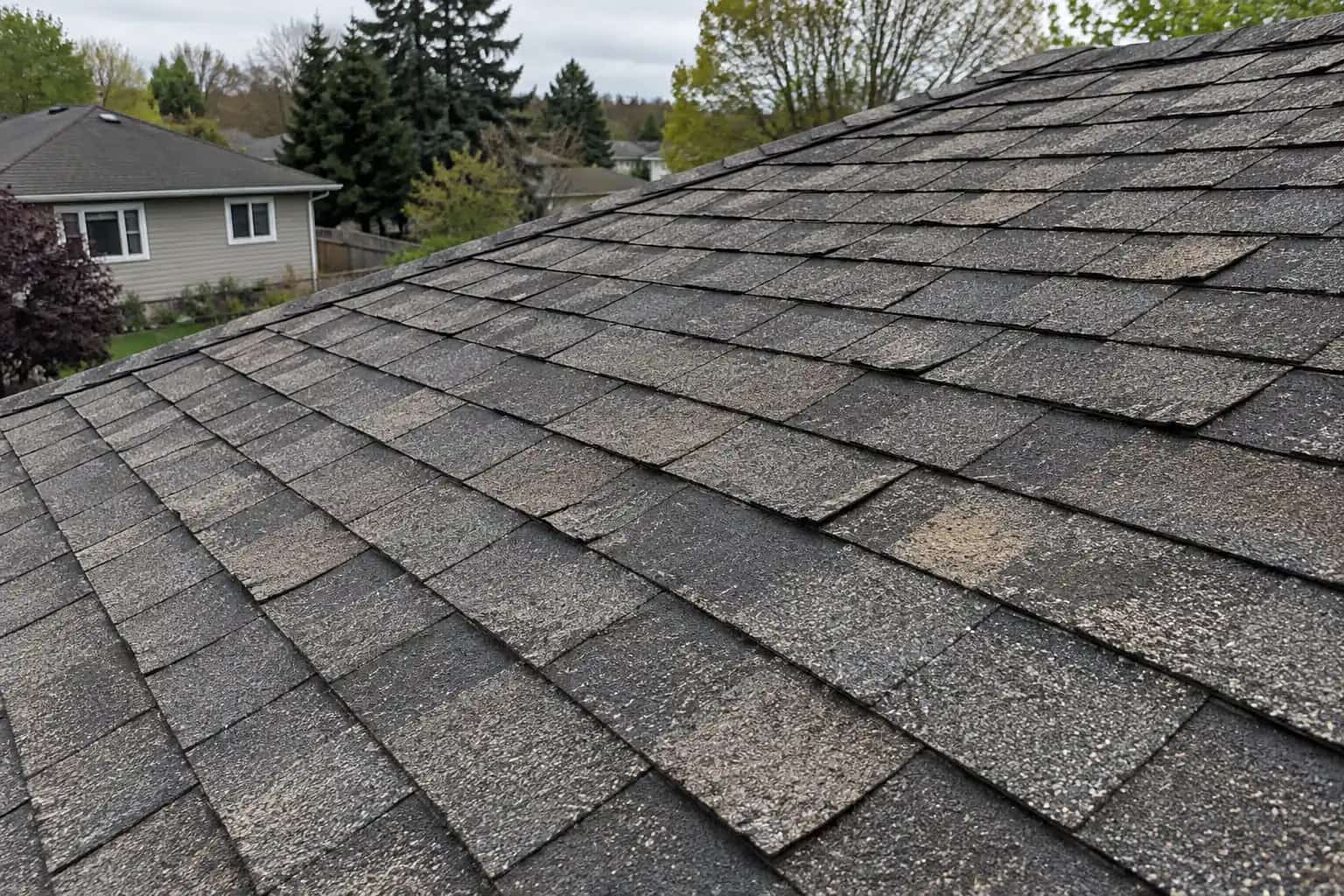
Read the Outcome by Scope
When a response arrives, identify the finding, the covered area, the proposed remedy and any remaining information requested. Compare it with the specific problem you reported. If something appears misunderstood, point to the relevant location, document or photograph.
An accepted product claim is not automatically approval of every item in a reroofing quote. Ask how labour, removal, accessories and any reduction for use were handled. Our proration explanation helps with that final comparison. Keep the decision and completed repair record together so the file ends with what actually happened to the roof.