
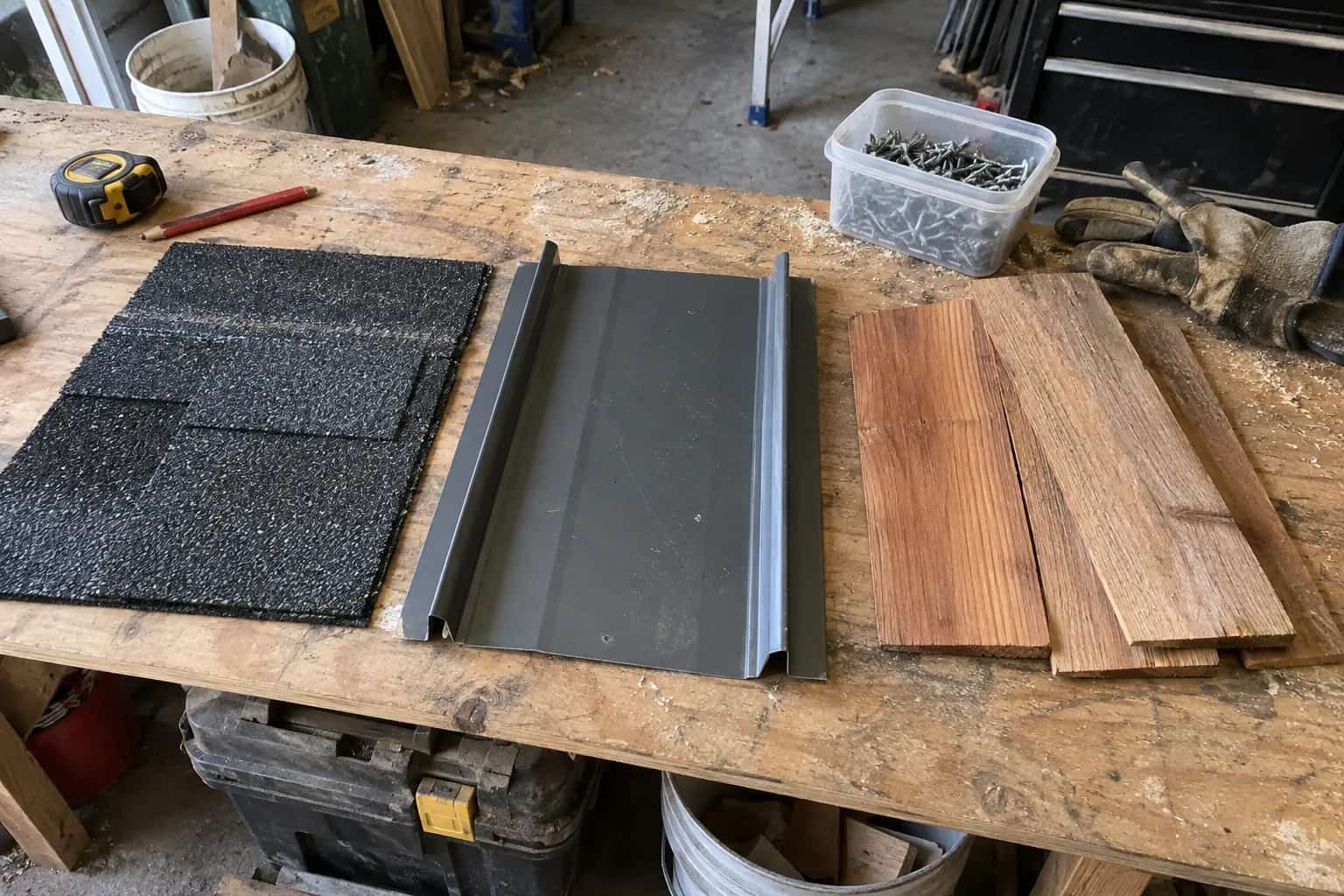
The homeowner sees nail tips in the attic and worries the roofers have used nails that are too long. Mike asks what deck is there and what the product instructions require. Fastener length must suit the whole assembly and required engagement; visible tips alone do not establish a defect. Nor does a tidy nail head prove the fastener is long enough.
Count the Layers Before Choosing the Fastener
The nail passes through roofing materials before it reaches the deck. A thicker shingle, additional permitted roofing layer or ridge vent changes that distance. A panel overlay changes the deck assembly as well.
IKO's roofing-nail guide discusses nail selection and substrate penetration. The exact requirement should be checked against the selected shingle and component instructions, including local requirements.
Do not confuse overall nail length with penetration into wood. A longer nail may simply be passing through more material above the deck. That distinction is the reason one standard length is not an adequate specification for every location.
Dave puts the field-shingle detail beside the ridge-vent detail. The homeowner had pictured one box of nails doing the whole roof. The added layers at the ridge make the question visible: how much fastener reaches the required support after passing through everything above it?
Measure the Nail Path Through the Actual Assembly
Overall length must account for roofing thickness before useful deck engagement begins.
Covering and accessories
Shingles, caps and any vent consume part of the fastener length.
Other permitted layers
Underlayment or additional approved layers add to the stack.
Sound substrate
The remaining length must satisfy the specified penetration for this deck.
Thin Panels and Thick Boards Are Different
Instructions may distinguish full penetration through thinner sheathing from a specified depth into thicker wood. The roofer needs to know which substrate is present and its condition.
Old plank gaps create another concern: a nail can be long enough yet miss useful wood. Additional length does not solve poor placement or an unsuitable deck. Read plank-deck considerations if your house has boards beneath the existing roofing.
Caps and Accessories Need Separate Attention
At the ridge, compare the cap and vent instructions together. That extra stack is the reason Dave has brought a second detail, not an invitation to guess a longer length. The attachment still has to reach the required substrate.
Ask the installer which fasteners will be used at those locations. The answer need not be an exhaustive hardware catalogue, but it should show that the extra thickness has been considered.
Head size, material and corrosion resistance also matter. A long fastener of the wrong type is not equivalent to a specified roofing nail. Substitutions should follow product instructions rather than visual similarity.
At the old plank deck, Mike returns to placement and sound wood. A longer nail cannot repair a gap it misses into or make damaged timber suitable. The owner now asks for the actual fastening specification rather than simply asking for "extra-long" nails.
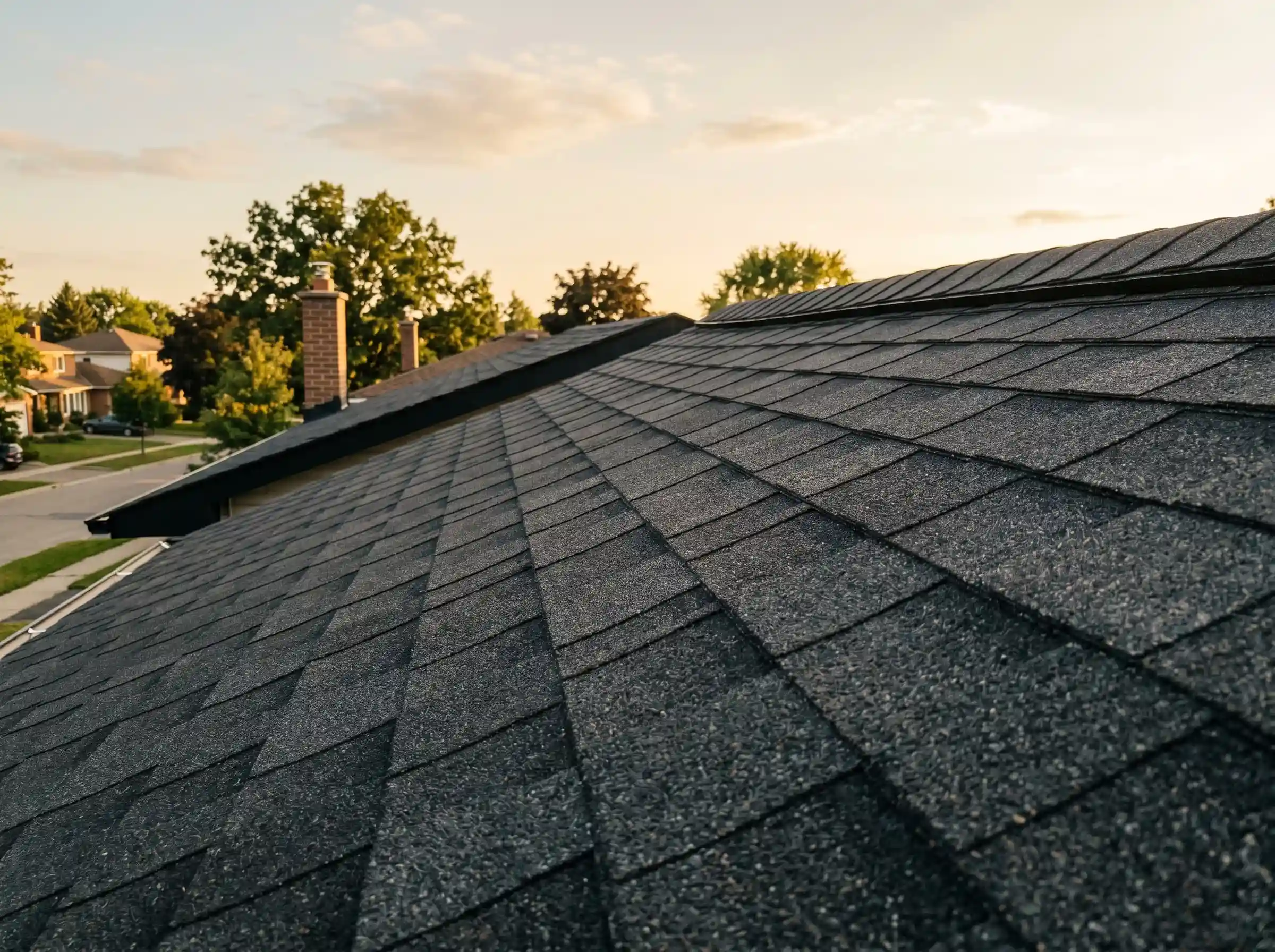
Do Protruding Tips Mean Something Is Wrong?
Nail tips visible beneath some panel decks can be consistent with required penetration. Their presence alone does not prove over-nailing. Conversely, seeing tips somewhere in the attic does not prove every roof fastener is correctly placed or long enough.
Do not touch exposed tips or move through unsafe attic areas to inspect them. Ask for an explanation based on the actual sheathing and fastener specification.
Keep the Specification Practical
For a reroof, request confirmation that nail selection accounts for the deck, shingle and accessory layers. Photograph representative work during installation where practical.
If shingles loosen, check length alongside position, driving depth and sound wood. A longer nail only solves a length problem.