
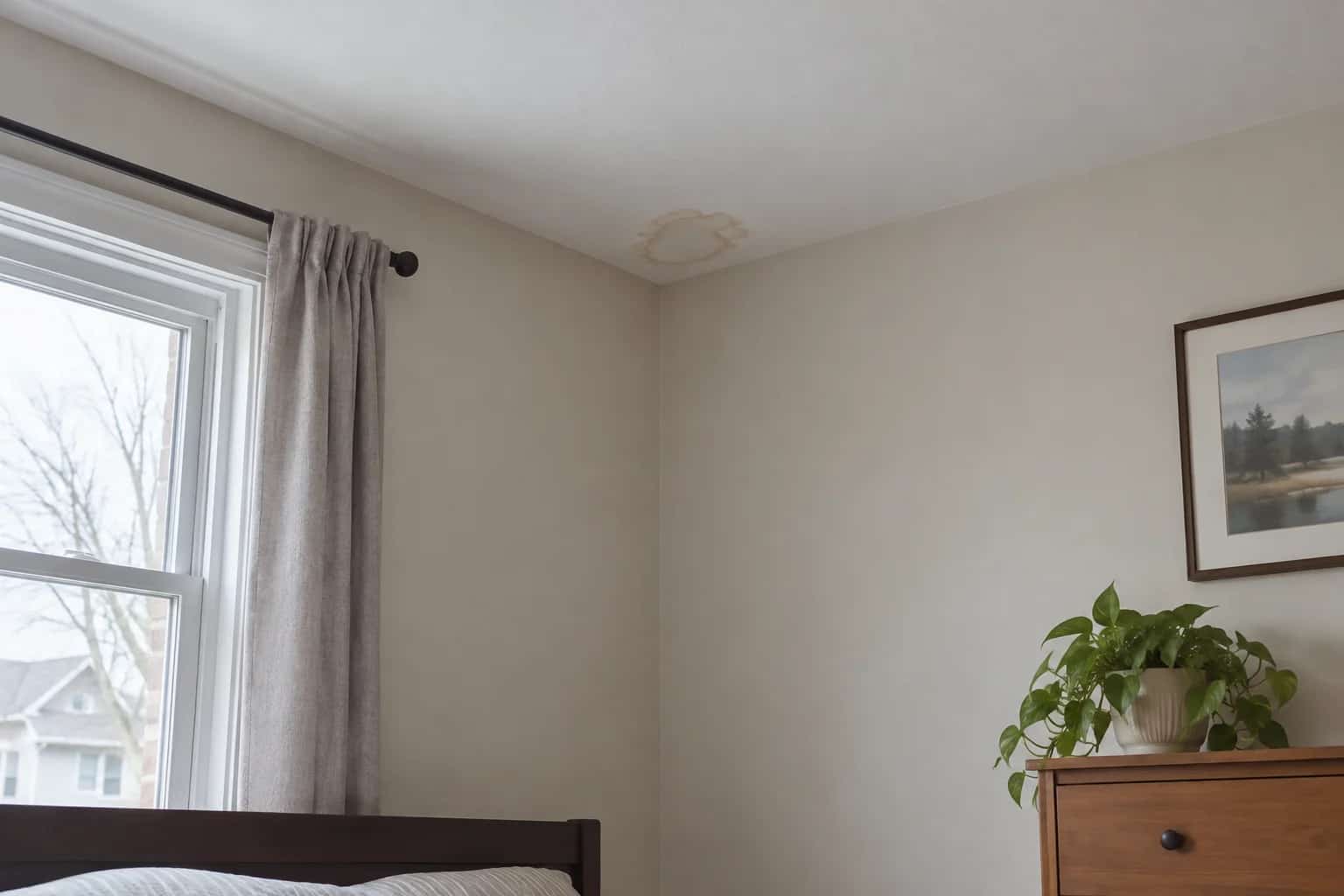
The third callback ends with "we will look into it." The stain grows after the next rain, and the owner starts an email long enough to include every frustrating conversation. Mike's first suggestion is to save that draft, then send a shorter factual record with a specific next action. The frustration is reasonable; the request still needs to be easy to act on.
You can be firm without deciding the technical cause yourself. "Water appeared at the rear bedroom ceiling during rain on Tuesday" is a useful observation. "Every flashing on the roof is defective" needs evidence.
Make One Timeline
List the agreement date, installation dates, approved changes, payments, first observation of the problem and each callback. Keep the entries short and attach the relevant document or photograph.
Keep the original messages. After a call, send a calm written recap of what was discussed and the next action understood. Pat likes this step because it gives both parties a chance to correct a misunderstanding now, while they remember it, rather than debate a different version months later.
Do not edit photographs in ways that obscure the condition. Keep original files, with a separate annotated copy if you need to point out a location.
Separate Symptom, Cause and Remedy
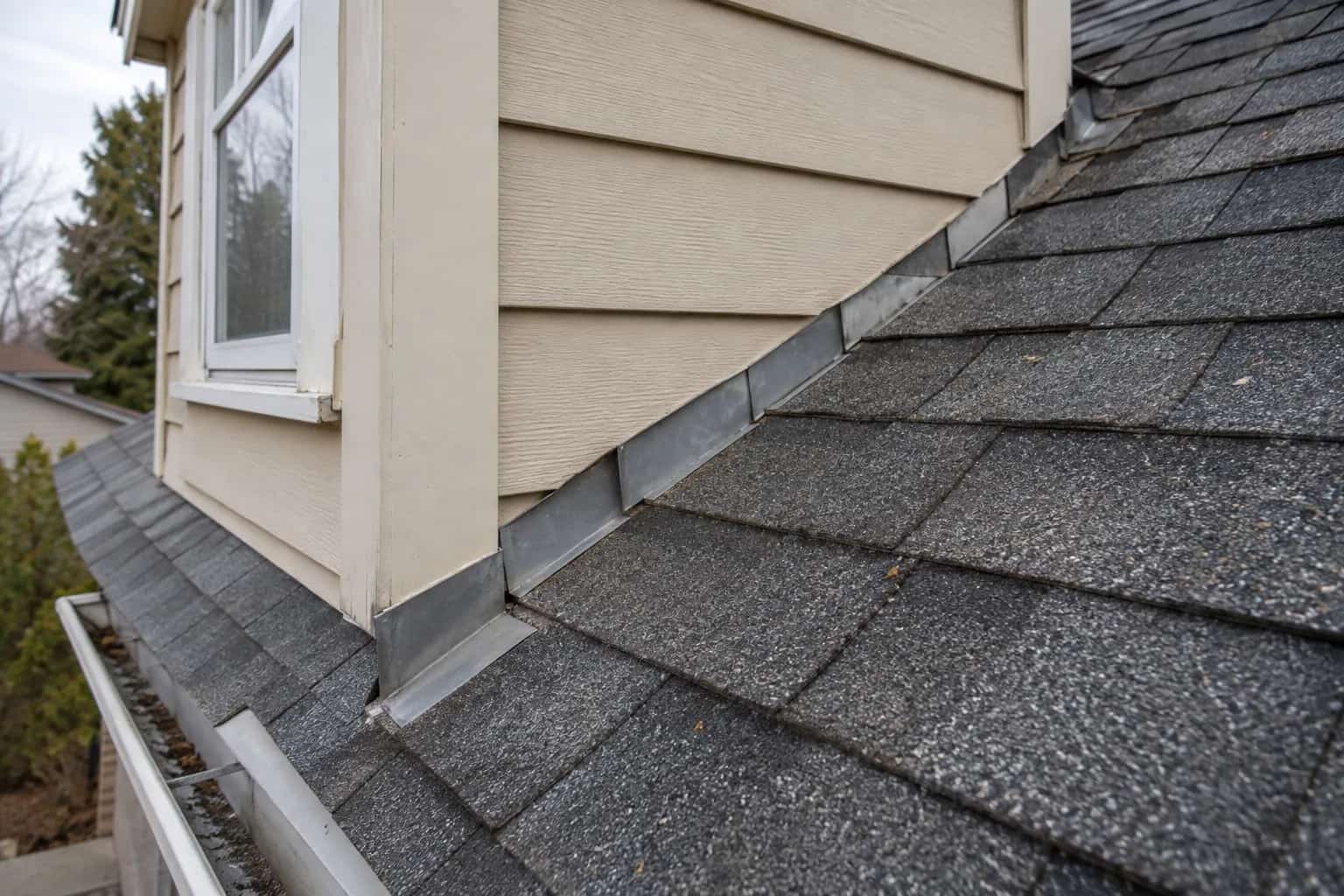
A ceiling stain is a symptom. Failed roof flashing, wall leakage and condensation are possible causes that require assessment. The remedy depends on the cause, so asking for a documented inspection may be more useful than demanding a particular repair immediately.
The useful line in the contract names new flashing at a particular wall. If the completion record shows it retained, ask about that specific discrepancy. "Why was this item retained?" gives the discussion somewhere to go; "the whole roof is wrong" may run straight past the issue that can be checked.
Our photo-documentation guide explains the value and limits of stage images. Photographs can support the discussion without proving everything about hidden work.
Turn a Disagreement Into a Reviewable File
A clear record lets another person understand the issue without reconstructing months of messages.
Observed condition
Record what happened, where and when, without guessing the cause.
Contract evidence
Connect the concern to the agreed scope and approved changes.
Written request
Ask for a defined inspection or remedy and a response date.
Appropriate help
Seek independent technical, consumer or legal assistance if the issue remains unresolved.
Deal With Active Damage First
If active damage is occurring, take safe steps to limit further loss and arrange appropriate urgent help. Keep records of that work and notify the relevant parties. Do not expose yourself to roof, electrical or ceiling-collapse hazards to preserve evidence.
Dave reads the draft sentence about the contractor's motives and suggests deleting it. Keep the facts and the requested action. A dispute already takes enough time without adding a second argument that does nothing to explain where the water entered.
If the crew stops attending before completion, establish weather protection, site condition and the handover record while resolving the dispute.
Write a Message Someone Can Act On
"Water appeared again at the rear bedroom ceiling during rain on Tuesday. I have attached a room photo, a closer image and the dates of the two previous visits. Please confirm when you can inspect the source and provide the proposed remedy in writing."
The shorter message has the location, history and request, without making the recipient reconstruct them from three pages of frustration. Add the job address and a reasonable response date. Urgent damage needs action separately; a carefully worded email does not make an unsafe ceiling safe while you wait.
If the disagreement concerns a billed extra instead, attach the relevant scope, approval and invoice line. A payment disagreement needs those records more than another photograph of the whole house.
Choose the Right Outside Help
An independent qualified inspection can help clarify a disputed physical condition. Ask the inspector to describe observations, limitations and the basis for conclusions, rather than simply agreeing with one side.
Ontario's consumer complaint process asks for supporting records and encourages contacting the business first. The province also identifies limits to the matters it can address; submitting a complaint does not guarantee compensation or resolve every workmanship dispute.
For payment, lien, contract or limitation-period questions, seek Ontario legal advice promptly. Do not assume withholding the entire balance or waiting indefinitely is harmless.
Choose the outcome needed now: stop damage, inspect the condition, finish an agreed item or explain a charge. Keep the long private draft if writing it helped. Send the records and request that move that particular decision forward.