
The first rain after roof replacement should not introduce a new bucket to the bedroom. Report a leak promptly to the installer, with its location, timing and a clear photograph. You do not have to diagnose the defect to request a callback.
Keep clear of a sagging ceiling or wet electrical equipment. Protect belongings only where access is safe. Then concentrate on the facts that distinguish this leak from any old staining: where it began, when it began and whether that spot leaked before the work.
The new roof is finished, and Hannah has just put the bedroom furniture back when the first drip lands. Her message to Mike starts angry and becomes longer with every sentence. He asks for three things first: the location, the time and whether that spot was wet before the work. The anger makes sense; those details get the investigation moving.
Send a Short, Usable Report
Include the installation date, room, exact interior location and when the first wetness appeared. State whether this location leaked before the work. Attach one photograph of the whole room area and one of the symptom.
Add the weather: steady rain, wind-driven rain, snowmelt or something unrelated to precipitation. If you have a video of active dripping, save the original with its timestamp. A screenshot passed through several messages can lose useful context.
A concise message might read: "The bedroom ceiling beside the rear dormer began dripping at 8:20 p.m. during rain against the back wall. This location was dry before the roof work. Wide and close photographs attached." That gives the callback a clear starting point.
A Useful First-Rain Callback
Good records help move the visit from symptom to verified correction.
Report the symptom
Send the room location, timing, weather and clear photographs.
Review the scope
Provide installation documents and identify retained adjacent components.
Document the cause
Request the observed entry route and photographs of the correction.
Check completion
Confirm weather performance and the plan for affected interior materials.
New Shingles Still Meet Older Parts
A reroof may leave an existing chimney, wall or skylight in place. The new covering has to join those components, so a first-rain leak can involve the new work, an older defect or the connection between them.
That is why the contract matters. "Chimney retained" and "chimney flashing retained" describe different scopes. Neither phrase diagnoses the leak, but each helps establish what was disturbed and what should be examined.
Hannah puts the contract beside the symptom photographs. Our workmanship and manufacturer warranty guide helps separate the protections, but Mike keeps the immediate task clear: identify the water route. The warranty discussion cannot do that investigation for the installer.
The contract says the chimney remains. Hannah reads that as meaning its flashing remains too. Pat separates the two questions before anyone starts assigning blame. An old component, new covering and the junction between them all need to be understood.
Request Findings, Not Only a Patch
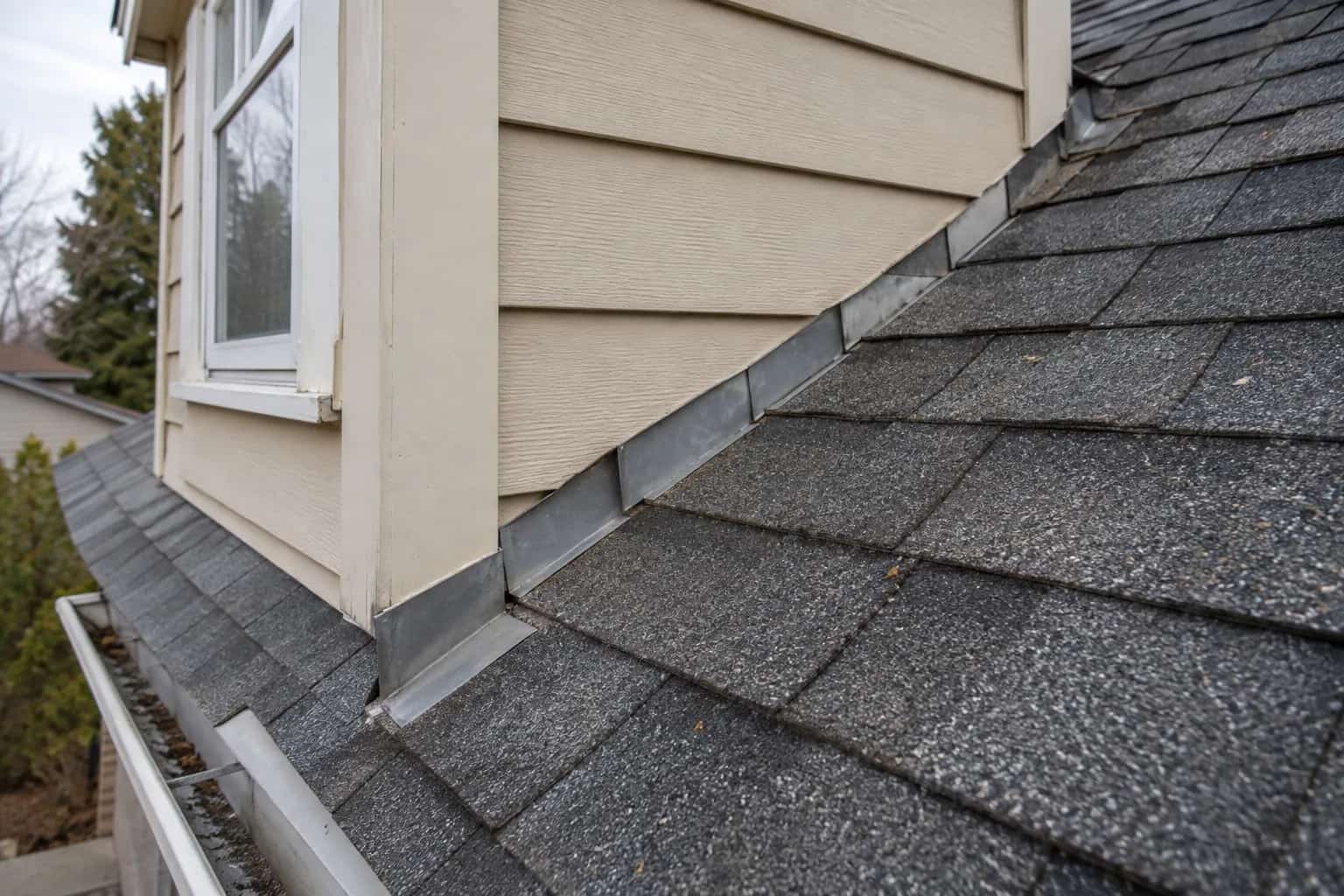
The callback record should identify what was found, what was changed and whether anything remains uncertain. Ask for photographs before and after the correction, especially if a hidden flashing lap was involved.
IKO's leak-diagnosis guide is useful background for tracing a route rather than assuming the stain sits directly below the entry point. A repair may need to occur uphill or at an adjacent wall.
If temporary protection is installed, ask what makes it temporary, who monitors it and when the permanent work will happen. Keep emergency receipts and photographs if another contractor must attend because the original installer is unavailable.
A Callback Is Finished When the Problem Is Resolved
A useful response explains what failed, what changed and how the correction will be checked. Temporary protection needs a permanent-work plan; an exterior repair needs follow-up on materials already wet inside.
Health Canada's moisture guidance supports prompt attention to wet areas. Do not let the ceiling and insulation vanish between the roofing and decorating scopes.
Keep monitoring the same location through relevant rain. If it wets again, send the earlier findings with the new observation. The next visit can then build on a known repair rather than start from "there's a leak somewhere."
After the callback, Hannah wants more than "sorted" on the message thread. Dave asks for the finding, the correction and the interior follow-up. The bucket can leave the bedroom when appropriate, but the record should stay. If the spot wets again, the next visit needs to start from the last repair, not from zero.