
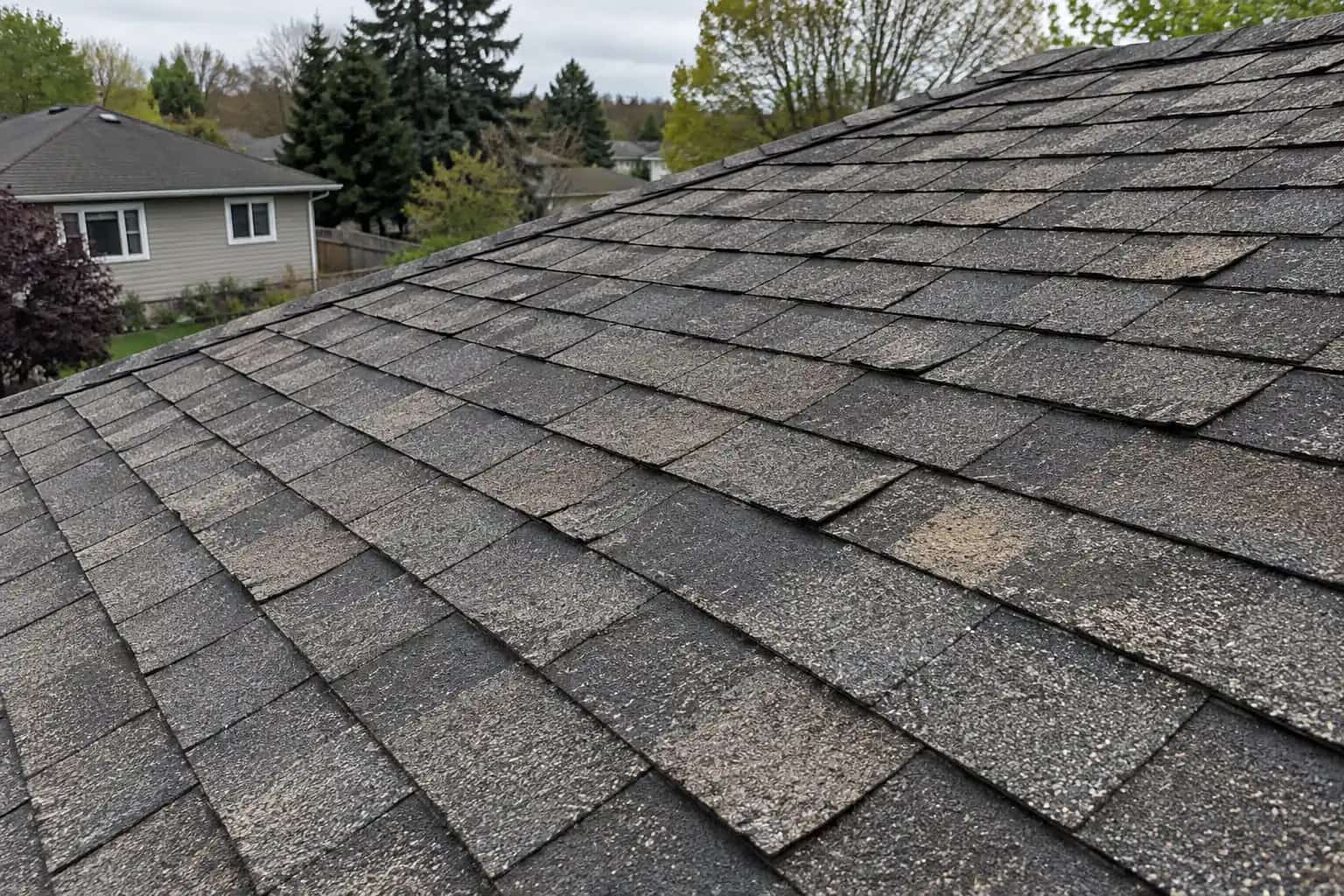
The old satellite dish finally comes down. The house looks tidier, the television still works through the internet, and four former fastening points are left to negotiate with the weather.
Book the roof restoration with the equipment removal. Fasteners and cables can affect more than the visible shingle surface, and the footprint is easiest to inspect while it is exposed. Removing the dish and making the roof sound again are two parts of the job. Make sure both are on somebody's work order.
Find Out What Is Actually Attached
Some dishes attach to a wall or other support; others penetrate the roof. Do not assume the visible bracket tells you the full story. There may be an old bracket nearby, abandoned cable clips or a cable entry that also needs inspection.
Photograph the area from a safe ground location if possible. Give the roofer the approximate installation and removal dates. Mention whether the leak began before removal, immediately afterward or much later. That timing can distinguish a disturbed detail from an old, unrelated route.
The IKO flashing overview explains why penetrations require protection within the roof's drainage layers. An abandoned attachment still matters because its hole remains after its purpose has gone.
The Bolt Hole Is Only Part of the Footprint
A mount can leave holes through several layers, plus compressed or torn shingles around its base. Removing the hardware exposes the condition that the bracket has been hiding. The appropriate patch needs to restore those affected layers, not only cap the visible hole.
On a sound roof, this can remain a small local job. On brittle shingles, lifting the nearby courses may break material that must then be replaced. That explains a wider patch; it does not automatically justify replacing every roof plane.
A screw put back into its old hole with sealant on top is not a universal closure detail. The roofer needs to identify the affected covering, underlayment and support, then specify a repair compatible with that roof.
The dish is down and Mike is packing away when Dave points at the bracket. "Television's cancelled. Roof's still subscribed." The equipment-removal booking never mentioned the old mounting footprint.
That awkward handover is why we separate the jobs before arrival. Someone needs to restore the covering and inspect the cable entry, and the owner needs to know who that is. Removing the visible metal is satisfying; leaving the holes as a discussion for the next contractor is considerably less so.
Keep the Cable Question Separate
A coaxial cable can enter through a wall or roof detail at a different location from the dish mount. If the cable is retained, its weatherproof entry must remain sound. If removed, its former opening needs an appropriate closure too.
Do not pull a cable blindly from indoors or cut unidentified wiring. Let the equipment contractor identify what is redundant and coordinate the weatherproofing work with the roofer. On a house with several generations of equipment, assumptions become surprisingly easy.
From Dish Removal to a Closed Roof
The removed bracket leaves more than one layer to inspect.
Hardware
Identify bracket, fasteners and redundant cable before removal.
Covering
Inspect the full footprint for torn or compressed shingles.
Underlying layers
Restore affected underlayment and support by a compatible detail.
Separate cable entry
Close or retain its weatherproof route deliberately, then record the finished area.
Agree What the Removal Price Finishes
Suppose the equipment contractor offers to remove the dish on Friday, while the roofer can attend on Monday. The missing item is not another tube of sealant: it is responsibility for a weatherproof roof during the gap. Coordinate a same-visit repair where practical, or have the roofer define suitable temporary protection and the permanent return visit before the bracket comes off.
Compare the written scopes at three levels:
- Equipment only: dish, bracket and identified redundant cable removed. This does not describe roofing restoration.
- Local roof restoration: exposed footprint inspected, damaged layers addressed and the covering reinstated using the selected system's repair method.
- Wider opening if needed: brittle shingles or unsound support make the repair area larger; photographs and approval explain that change.
A completion image should show the whole old footprint, including nearby clips and a separate cable entry if one existed. Keep the removal date with it. If dripping begins later, the investigator can compare the former attachment location with the indoor water route instead of guessing where the dish used to stand.
Do It Once, While the Area Is Exposed
Save a before-and-after photograph showing the location. If the roof was already leaking, follow up at the original indoor symptom and deal with wet materials. If removal was preventative, do not count the patch as a diagnosis of an unrelated stain elsewhere.
For an old mount that has received several unsuccessful patches, revisit the route before adding another coating.
The tidy silhouette is the easy part. Keep the old footprint and cable-entry repair in the completion record so the dish does not leave a longer story after it has gone.
