
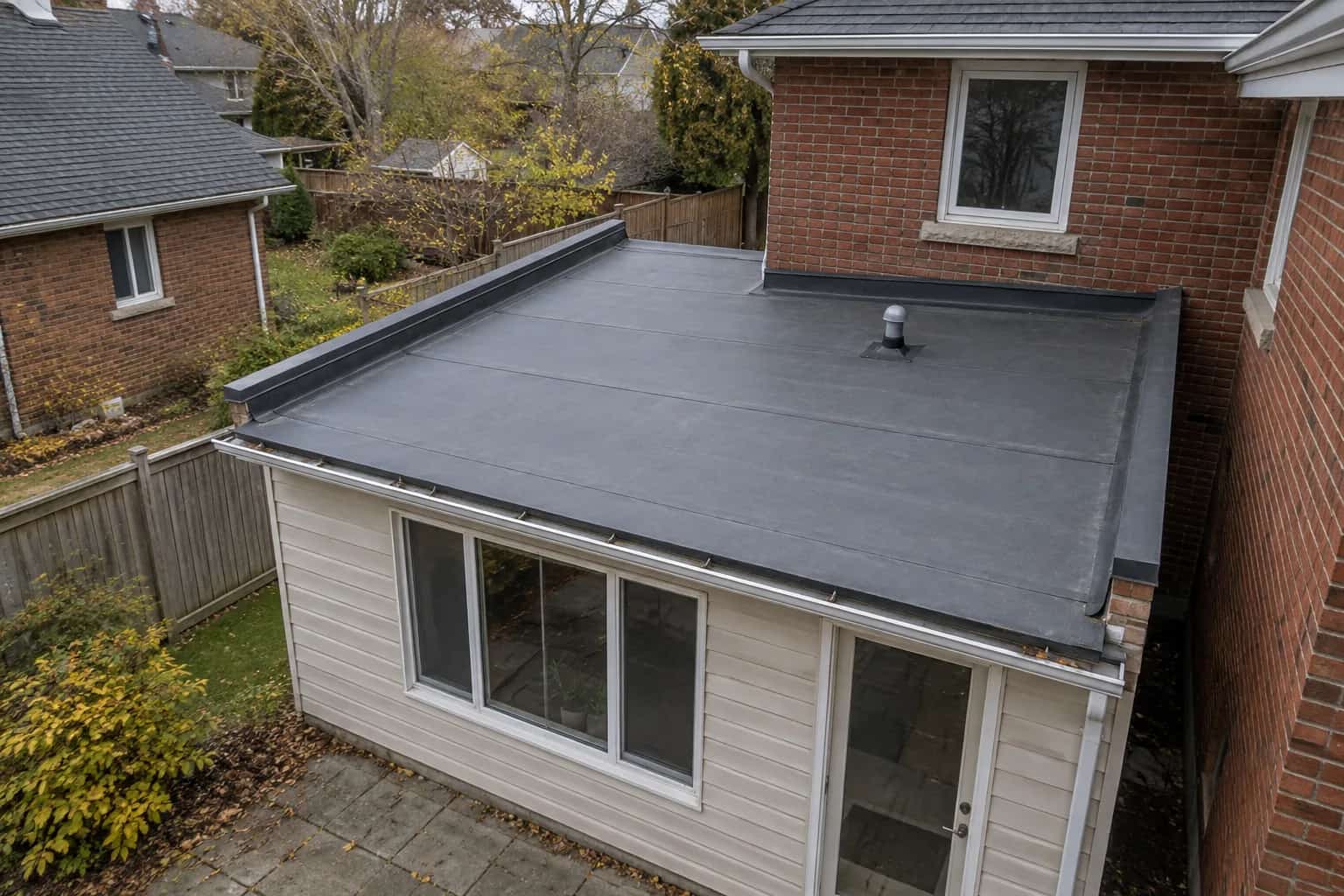
The plants look healthy. The room below has a new stain. A green roof can be doing its gardening job beautifully while a waterproofing detail needs attention. Start with the roof records and a coordinated investigation; do not ask a gardener to lift random patches until someone finds water.
The waterproofing contractor, green-roof maintenance team and any leak-detection specialist may each have a role. One person needs to coordinate the scope, access and handover so the membrane is not exposed between separate bookings with rain approaching.
Find the Layers Before Moving Them
Locate the original assembly drawings, waterproofing product, planting-system information, installation test record and maintenance plan. Identify drains, inspection chambers, flashings, irrigation and any later equipment. A tray system and a continuous growing-medium installation can have very different removal arrangements.
Toronto's green-roof supplementary guidelines specifically include assigning responsibility for removal, care and reinstallation of growing medium and vegetation if a leak occurs. That practical ownership question matters even outside Toronto, although the applicable local requirements must be checked separately.
Mike would put three names beside the estimate: who finds the defect, who repairs it and who puts the garden back. If the third line says owner, make sure the owner has agreed to more than watering a few sedums.
The Stain Does Not Choose the Opening
Record when wetting occurs and whether it follows rain, irrigation or maintenance. Give the investigator safe interior photographs and the roof plan. Water can travel within an assembly, so the ceiling stain is a starting observation rather than a precise excavation marker.
Accessible drains, edges and penetrations may offer useful first checks. A restricted drainage route and a membrane defect need different remedies, and both can coexist. The person investigating should explain what evidence supports the proposed opening location.
Electronic leak detection can be useful for suitable assemblies, but feasibility depends on the membrane, underlying layers and test method. Use the electronic testing guide to understand that conversation. Do not assume all planting must be stripped, or that every leak can be located without disturbing any of it.
The gardening team can attend Thursday; the waterproofing crew can attend Monday. Pat circles the gap. The owner had assumed the roof would be opened and closed in one visit. Before anything moves, they agree who protects the exposed work and how the plants will be cared for. The calendar is part of the repair.
Write the Opening and Storage Plan
Ask how much material will be moved initially and what would justify expanding the area. Include protection of retained membrane, safe access and the location for temporary storage. Wet growing medium has weight; stockpiling it on another patch of roof is a load decision, not just a convenient place to put it.
The green-roof specialist should specify how plants and layers will be identified, protected and reinstated. Mixed-up filters, drainage elements or root protection can leave the original leak repaired while creating a new assembly problem.
A useful scope separates investigation, membrane repair, any affected insulation, planting removal and reinstatement. It should explain who approves additional concealed work. The flat-roof wet-insulation guide helps distinguish finding the entry point from assessing the extent of affected material.
The planting looks ready to go back before the repair record is complete. Mike asks for the verification first. Nobody wants to lift the same area twice because the most photogenic part of the job was finished a day too early.
Find, Open, Repair and Replant
Identify the assembly, leak timing and accessible junctions.
Records and evidence
Identify the assembly, leak timing and accessible junctions.
Targeted investigation
Select suitable tests and a justified opening area.
Controlled removal
Assign planting care, storage loads and membrane protection.
Repair and verify
Check the waterproofing before reinstating documented layers.
Test Before the Garden Returns
Agree on an appropriate repair-verification method before concealment. Toronto's permit guidance for green roofs illustrates the importance of documented waterproofing tests before installation; the requirements and method for a particular repair need confirmation.
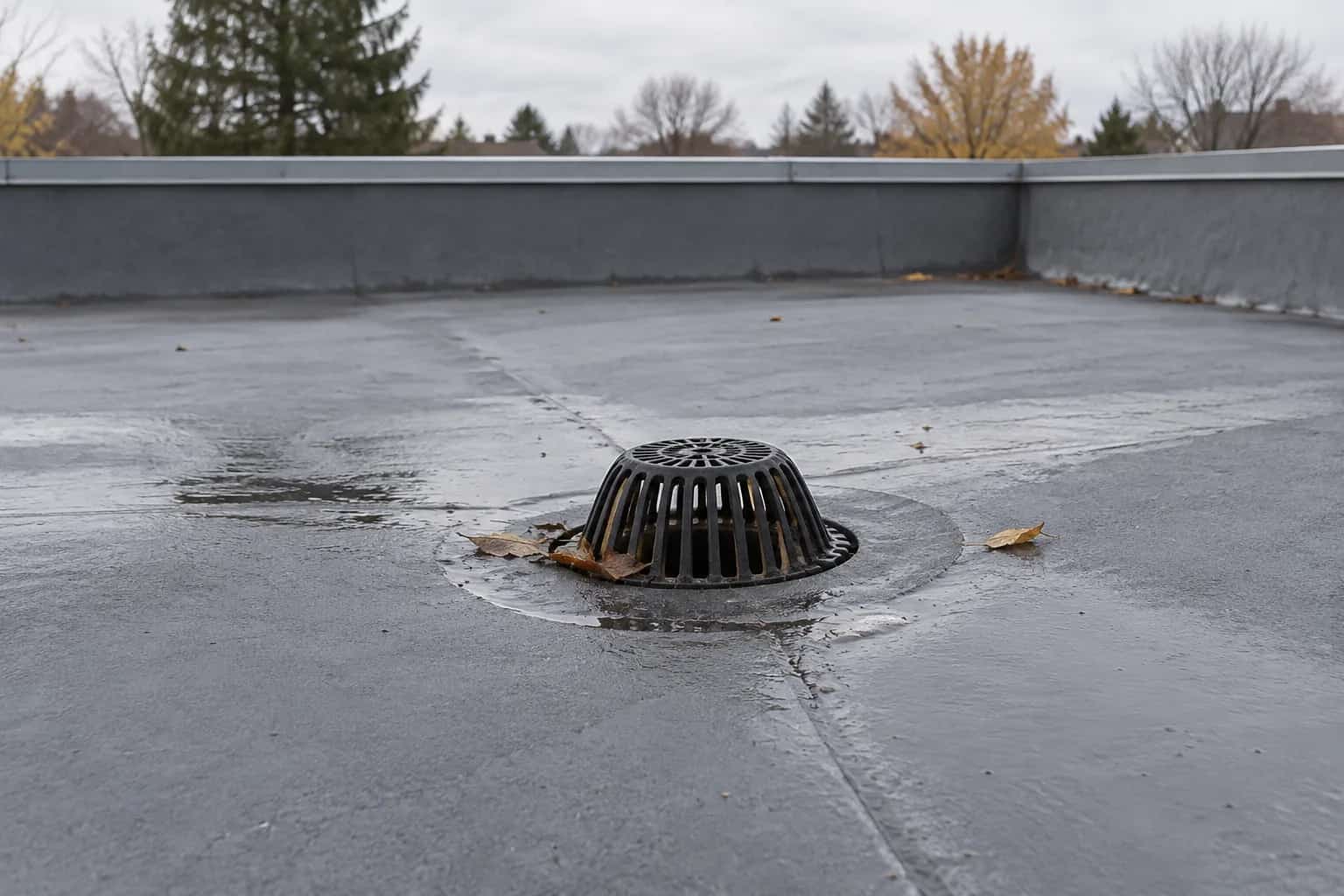
Do not improvise a flood test by blocking drains. The assembly, structural capacity, overflow route and testing requirements must be assessed by the responsible professionals.
Retain photographs and the test record, then update the maintenance plan with the repair location and any changed access arrangements. The final inspection should account for the drain route and reinstated layers as well as the plants. A roof that looks back to normal is welcome; a record showing what was repaired makes the next maintenance visit much less mysterious.