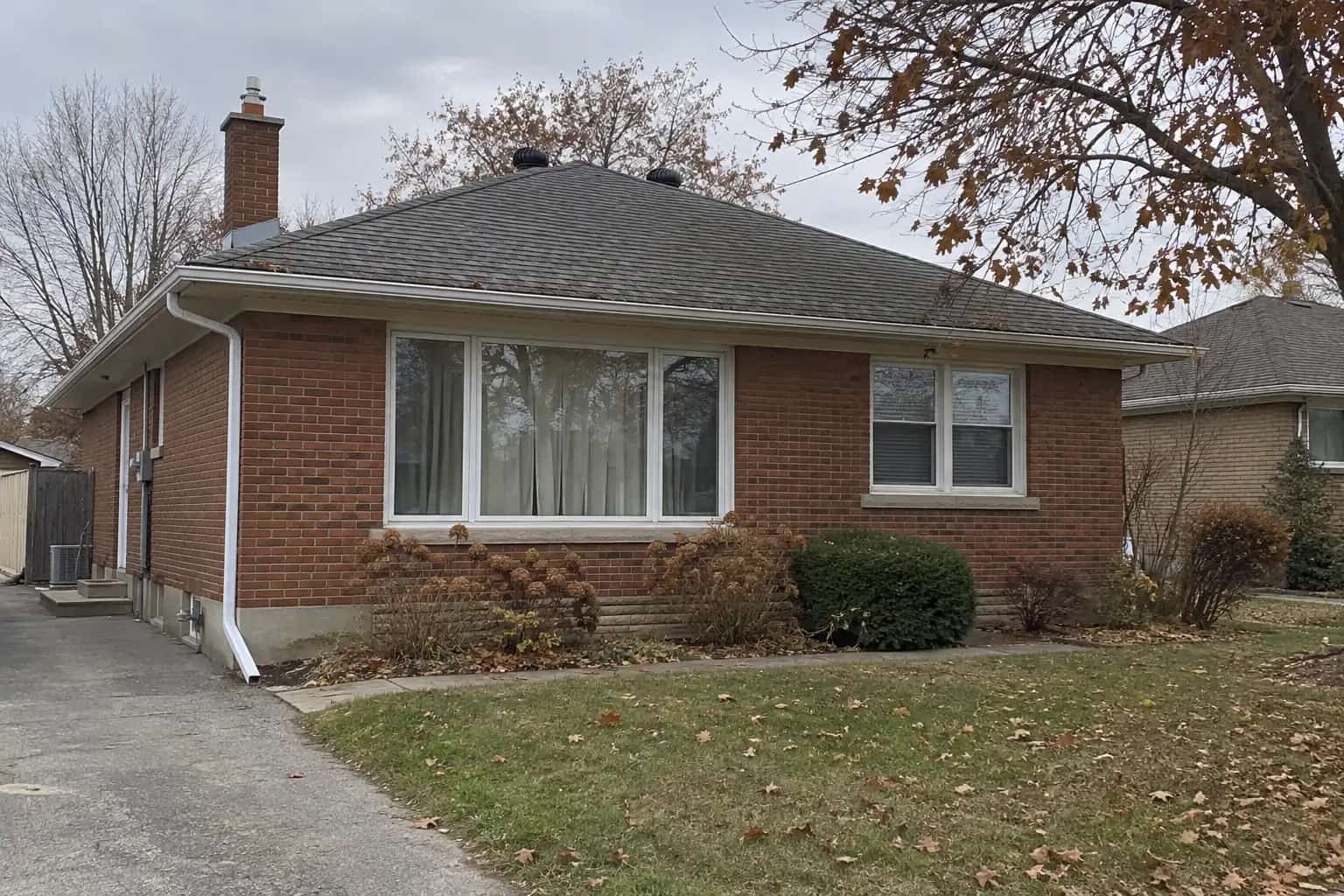
A bird flies into the roof outlet while Dave is looking at it. The homeowner suggests mesh; Mike asks what the outlet serves. The bird has identified an opening. It has not identified the right repair, the species rules or the connected equipment.
Identify the bird and the outlet before arranging exclusion. An attic vent, bathroom exhaust and dryer outlet perform different jobs; a generic screen can obstruct the connected system.
Observe from the ground without approaching or repeatedly disturbing the nest. Record the location and activity for a qualified wildlife professional. If a connected appliance or ventilation system appears obstructed, obtain prompt advice from the appropriate service professional about safe operation.
An Empty-Looking Nest Is Not the Whole Answer
Environment and Climate Change Canada's nest-protection guidance explains protections under the Migratory Birds Regulations. Protection depends on the species and circumstances; some nests have protection beyond active occupancy. A quick look from the yard cannot resolve all of that.
Have the species, occupancy and applicable requirements assessed before removal or exclusion. Provincial protections or other rules may also matter. Avoid assuming that a nest can be removed simply because autumn has arrived or because no adult was visible during one observation.
Mike wants the wildlife professional to explain timing, any required permissions and protection of the building while work waits. Urgency should be communicated clearly when water entry or an obstructed system is also involved.
Pat keeps the observation from the ground and notes the location for the wildlife professional. Guessing that a nest is empty because nobody appeared during a coffee break is not an assessment of occupancy or protection.
Once nesting restrictions and access are resolved, plan droppings cleanup around the roof material and exposure risk rather than treating it as ordinary leaf removal.
The Replacement Hood Must Do the Old Job
A neat-looking cover is not enough. The replacement must shed weather, connect correctly and allow the intended airflow or damper operation. If nesting material affected the duct or equipment, clearing the exterior opening alone may leave an obstruction farther inside.
Dave wants the replacement component identified before the access equipment arrives. Otherwise there is a strong temptation to use the mesh already in the truck. Convenient material is not necessarily suitable for the appliance or vent.
Identify Both the Bird and the Vent
Wildlife requirements and the connected system both shape a suitable repair.
Species and nest
Have occupancy and applicable wildlife protections assessed.
Vent function
Determine whether the opening serves attic air, a fan, a dryer or another system.
Lawful work
Coordinate timing and any required permissions before disturbance.
Compatible repair
Restore the outlet with protection that preserves its intended operation.
Follow the Vent Back to the System It Serves
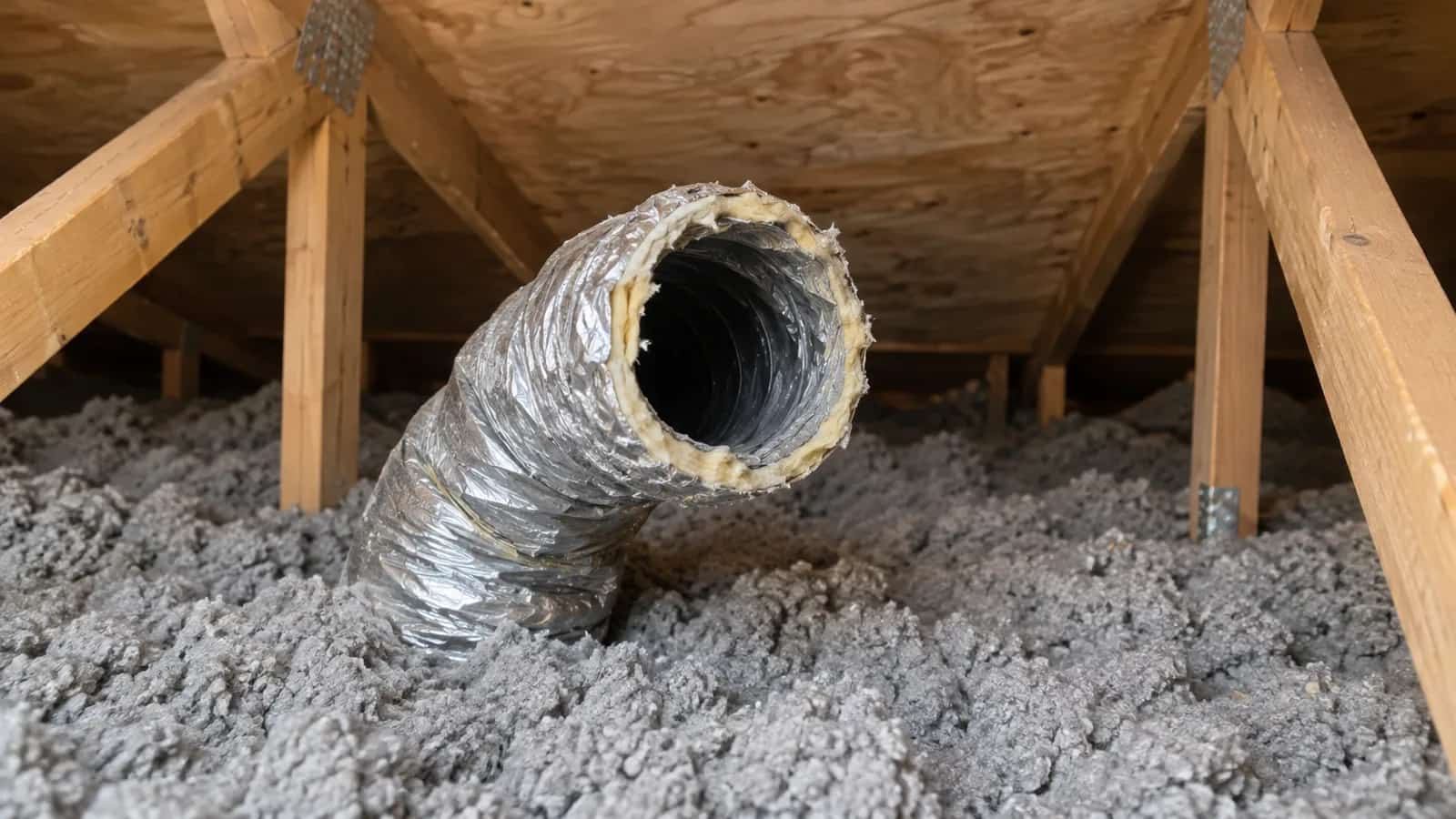
Ask the building professional to identify what is connected to the roof outlet. An attic exhaust vent moves air from the roof space; a fan outlet carries air from a room through a duct. Their repair details are not interchangeable.
For a dryer exhaust, an improvised screen can collect lint and obstruct the system. For other outlets, an unsuitable guard can interfere with a damper or reduce airflow. Select a compatible component for the specific equipment and follow its installation requirements.
The NRCan roof-and-attic guidance is useful context for attic ventilation, but it does not make every roof penetration an attic vent. Our bathroom exhaust article explains why the duct route also deserves attention.
Once lawful nest handling or exclusion is complete, inspect the outlet, flashing, duct connection and nearby damage. Replacing a broken hood may be necessary; adding wire to a broken assembly may leave the original weatherproofing problem intact.
Coordinate lawful wildlife handling with a sound weatherproof repair and proper system operation. At Steady, keeping birds out is only half the result; the opening must still do the job it was built for.