The copper chain looks lovely on the porch drawing. Dave adds a person carrying two grocery bags and waiting for the door to open.
That person is standing in the splash area.
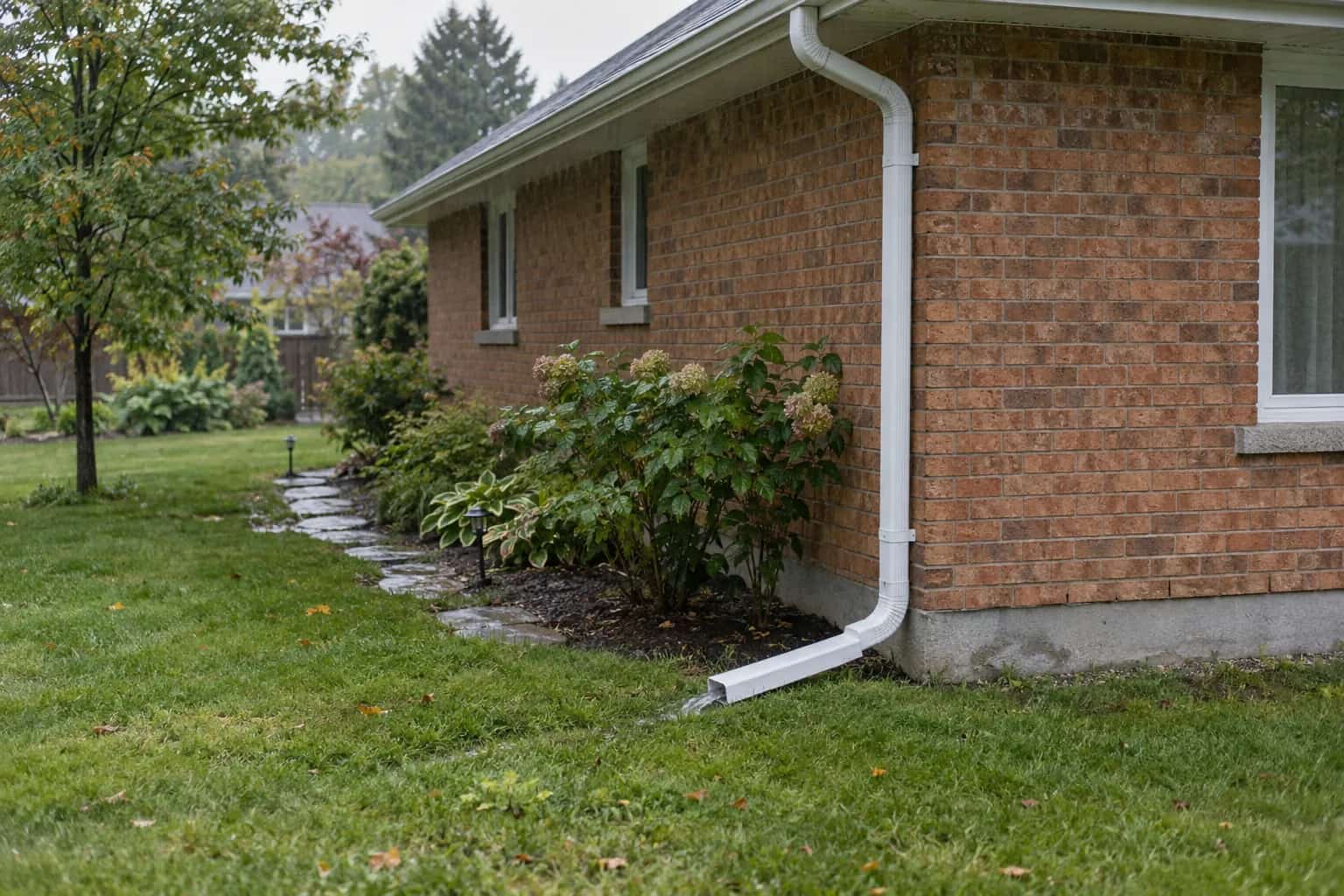
Nobody has ordered the chain yet, which makes this a pleasantly inexpensive discovery. Choose the water route and walking route before the decorative outlet. A chain leaves the flow exposed; a downspout encloses it and can carry it to a more suitable receiving point.
Draw the Splash Area, Not Just the Chain
Moving the feature to the garden side may give the chain room to do what makes it attractive. Keeping it beside the only narrow approach asks it to behave like an enclosed pipe. The drawing should include the basin overflow too; a handsome bowl does not make collected water disappear.
Picture the gutter outlet, the hanging chain, the ground receiver and the doorway on one sketch. Mark the gate, door swing and place someone stands to unlock the door. Then allow for water that does not follow the chain neatly. Wind and heavier flow are reasons to evaluate the surrounding wet area, not just the vertical line below the outlet.
A bowl of pebbles may catch splashes, but where does the collected water go? If its overflow reaches the step or foundation, the decorative receiver has not completed the drainage job. The receiving-area principles in TRCA's rain-garden guide apply: consider the inlet, suitable ground and a planned excess-water route. Do not assume a small basin is an infiltration system.
For a porch with generous space, the visual benefit may justify a deliberately designed receiver and more exposed water. On a narrow side path, an enclosed downspout routed beyond the walking surface often solves the actual problem more directly.
Winter Changes the Support Question
Rain Chains Direct's product FAQ warns that heavy ice can overload its standard hanging hook and describes a stronger attachment for its products. It also notes that some owners remove chains for winter. That is model-specific guidance, not assurance that every chain, gutter or attachment will tolerate Ontario ice.
Ask the chosen supplier how the chain is supported, what winter conditions its advice covers and whether seasonal removal is expected. The gutter itself must be suitable for the resulting loads; upgrading a hook does not establish the strength of everything above it.
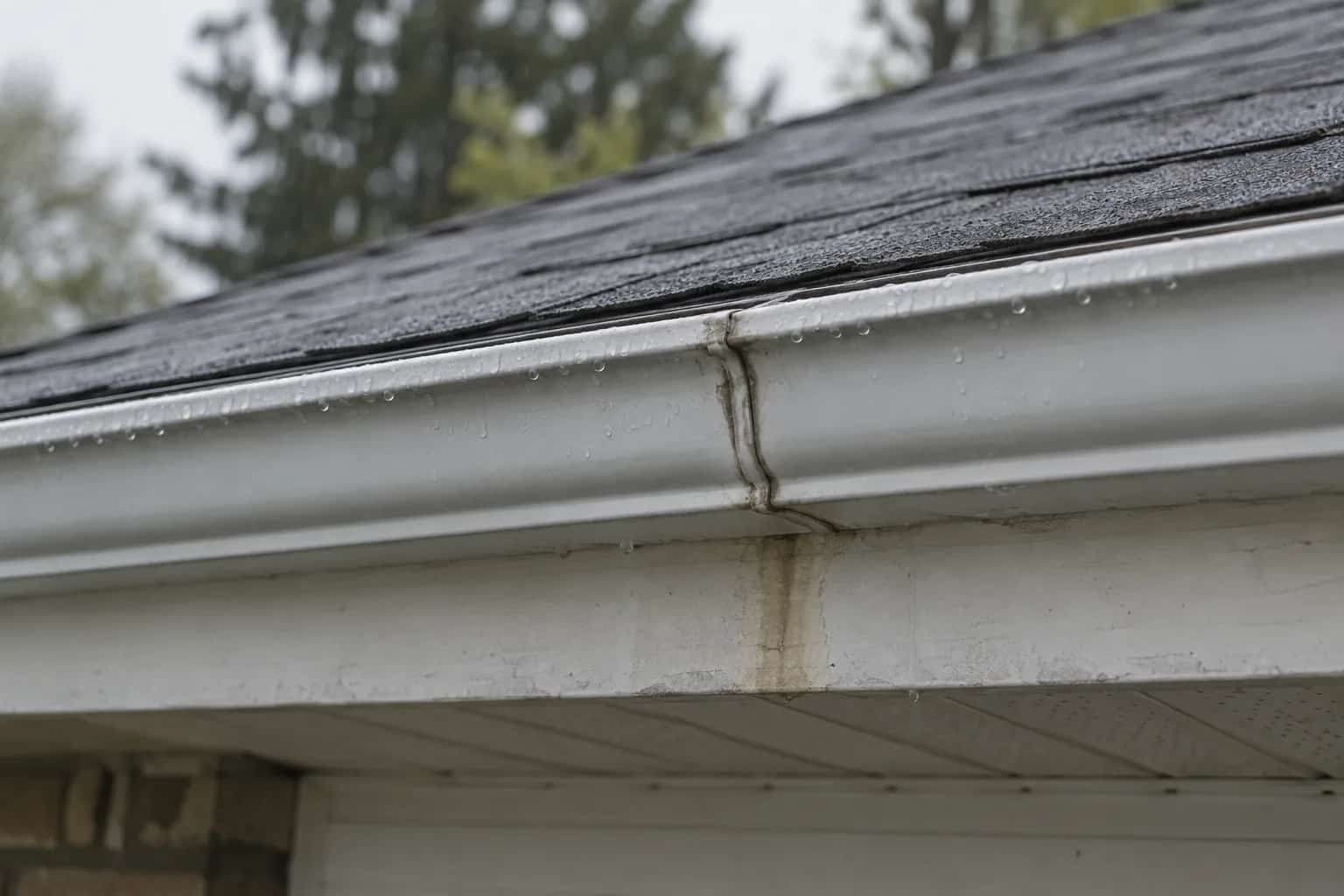
Removal also needs a drainage plan. Leaving an open gutter outlet over the step trades one problem for another. Any seasonal downspout arrangement should be settled before freezing weather and remain safely maintainable without a midwinter ladder visit.
Choose What You Can Live With in Bad Weather
A useful comparison includes sound as well as appearance. Exposed water is part of the appeal of a chain, but the same location may be beside a bedroom or a sheltered sitting area. Evaluate the actual product and position rather than relying on a quiet showroom display.
Before ordering, answer one practical question: if water or ice forms beside this installation, can people still use the entrance safely? If the answer depends on remembering to clear it every time, move the feature or retain a routed downspout. Our walkway discharge guide helps assess the route people actually use.
The best place for a decorative drainage feature is somewhere its ordinary behaviour is welcome. It should not need perfect weather to be convenient.
Draw the entrance before the chain
A decorative outlet still needs a complete drainage plan.
Exposed flow
Allow for splash around the chain, not just its centreline.
Receiver overflow
Show where excess water goes beyond the basin.
Winter support
Check the product connection and the structure above it.
Seasonal alternative
Route a downspout without leaving an open outlet above the walking line.