
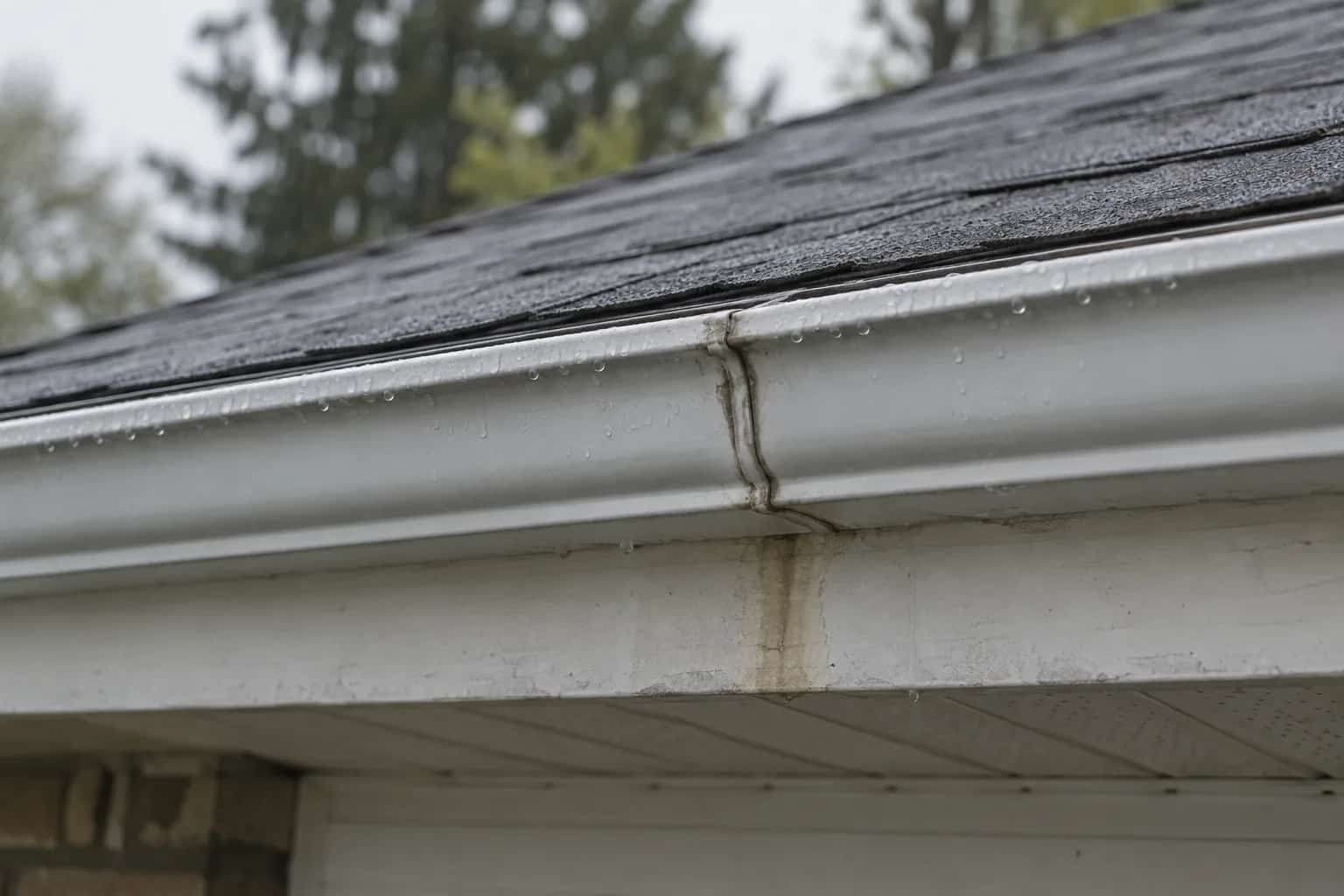
The new elbow is exactly the right white. It is also the point where Mike stops the repair discussion to ask what metal it is. Jo had brought a colour photograph to the supplier; the missing information was underneath the finish.
The replacement elbow matches the gutter perfectly in colour. That tells you almost nothing about whether the metals belong together. Before a partial repair, identify the gutter, fitting and fasteners, then look at the roof features draining into them. Compatibility follows the material and the water path, not the paint chart.
Two Routes to a Problem
Direct contact between dissimilar metals in a wet environment can promote galvanic corrosion. Separately, runoff from copper surfaces can affect exposed aluminium below. The NRCA technical article discusses both mechanisms, including copper runoff entering an aluminium downspout.
This is why Pat follows Jo's water route from the roof feature through the gutter and down the pipe. An isolating detail at the joint may address contact while leaving upstream runoff unchanged. A material several metres away can still belong in the same repair discussion.
A Small Replacement Can Change the Combination
A copper downspout repaired with an aluminium fitting chosen because it was readily available raises this same materials question. The question is not simply whether the fitting seals today. Its contact with adjoining metal and the water reaching it both need consideration.
The practical alternative is not necessarily replacing the entire system. A compatible replacement part and properly specified connection may keep the repair local. Ask for those materials to be named in the scope. "White elbow" is a colour instruction; it is not enough information to reproduce a sound repair in ten years.
For a partial replacement, list the existing gutter, replacement section, connector, fasteners and any metal roofing or flashing above. Include the finish and condition where known. The contractor should establish compatibility using the relevant product guidance and a suitable assembly detail.
Do not rely on a generic statement that stainless screws are always suitable or that paint makes every combination safe. Fastener selection depends on the surrounding materials and exposure. Coatings can also be damaged during cutting or installation.
Pat follows the water upward on the sketch and finds a copper feature in the proposed runoff route. Separating two touching parts may be only part of the answer. Jo adds the upstream material to the list instead of treating the elbow as an isolated object.
Staining Is a Clue; Metal Loss Is a Finding
A stained surface is not automatically a galvanic failure. Dirt, ordinary weathering, damaged protective coatings and other causes may look similar. A contractor should inspect the metal after appropriate cleaning and document thinning, pitting or perforation if present.
If one fitting has failed much earlier than neighbouring parts, compare its material and runoff exposure. The pattern can help explain why replacing it with another identical fitting may repeat the failure.
Avoid covering heavily deteriorated metal with sealant before its condition has been recorded. A patch may stop today's drip while obscuring whether there is enough sound material for a lasting connection.
Check Contact and Runoff Separately
Metal components can interact through more than the visible joint.
Direct contact
Identify adjoining metals, moisture and isolation details.
Runoff path
Check which upstream metals shed water onto lower parts.
Fasteners
Confirm screws and brackets suit the whole assembly.
Observed damage
Document actual corrosion before selecting replacement parts.
Specify the Whole Repair
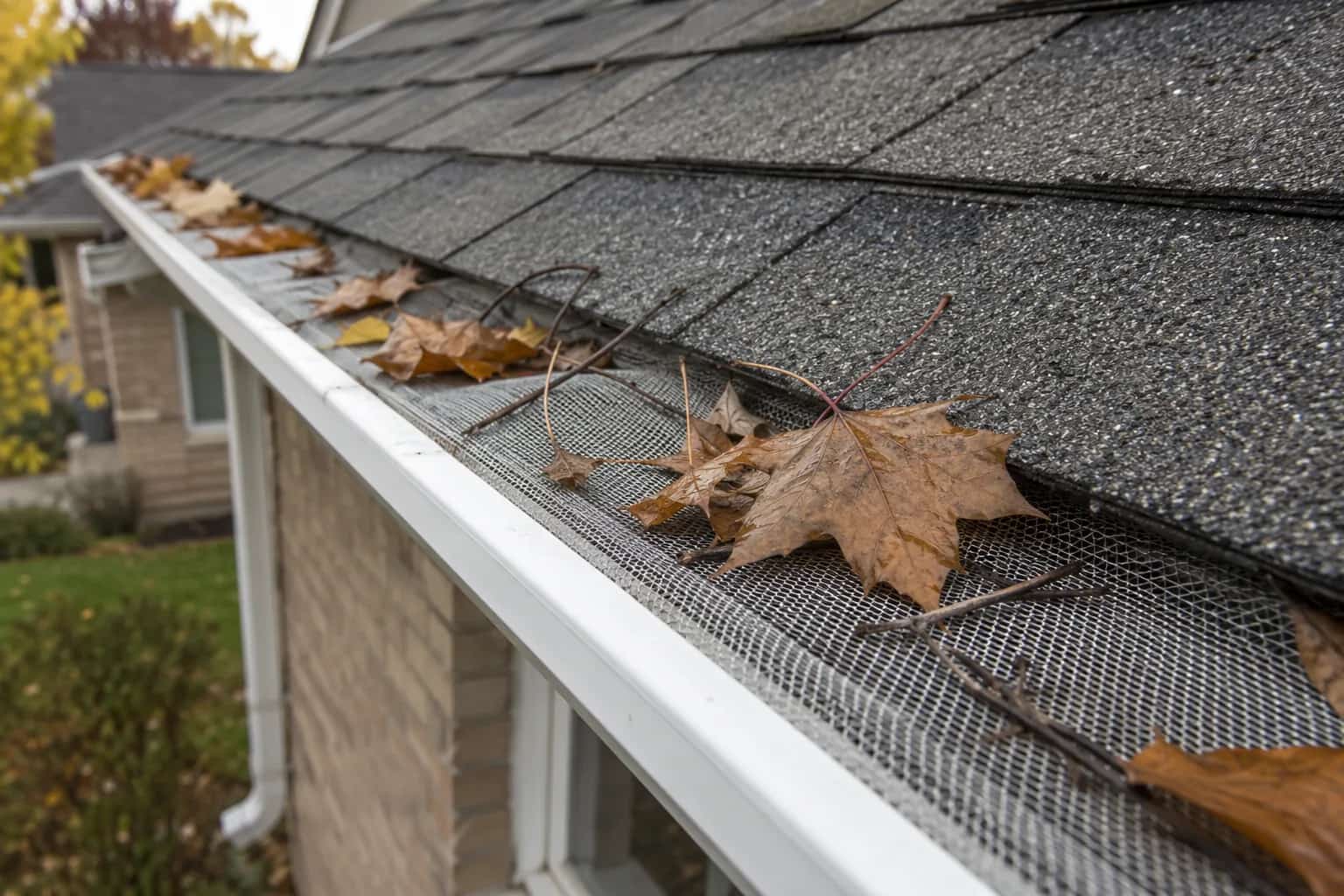
A useful quote names the replacement metal, joining method and compatible attachment. Where materials must be separated, the detail should be appropriate to both products and remain effective over time. Where runoff is the concern, the route or receiving material may need to change.
Keep that information with the invoice. Future repairs are easier when the next installer can identify the system without guessing from its paint colour.
For repeated seam failures, also consider movement and support. Compatibility should explain the observed deterioration; it should not become a convenient name for every gutter defect.
Dave wants the observed condition recorded before sealant covers it. Staining and lost metal are different findings. Jo still wants a local repair if that is suitable, but now the quote must name the replacement metal and connection. We can match the paint after we know the materials belong together.