
A roofer can close a gap quickly. When bats are using it, that may be exactly the wrong first move. Keep people away from the animals, address any possible exposure promptly and arrange a coordinated exclusion-and-repair plan. Do not seal an occupied opening and hope the bats have another exit.
If a bat has touched someone, a bite or scratch is possible, or contact cannot confidently be ruled out, seek prompt advice from your local public-health unit or a healthcare provider. Do not wait for a roofing appointment. If someone wakes with a bat in the room, describe the circumstances to public health rather than deciding from visible bite marks alone.
Once the exposure question has been directed to the right people, the repair meeting can slow down. A loose strip at the eave looks like a quick closing job. Mike leaves it alone while the wildlife specialist explains the occupancy findings. The neatest-looking immediate repair is not necessarily the right repair today.
The Health Question Comes First
PHAC's rabies guidance advises immediate medical attention after a possible exposure. If a bat touches bare skin, wash the area; an unnoticed bite or scratch is possible. For a wound, PHAC specifies thorough washing and flushing with water for at least 15 minutes.
Do not catch a bat with bare hands or release a bat involved in a possible exposure before receiving advice about testing. Keep others and pets away. Follow public-health directions about safe confinement or professional capture without creating another exposure. For a pet's contact, speak with a veterinarian as well.
Bats in an attic do not automatically mean someone was bitten. The health assessment and the building repair are different questions, and keeping them separate avoids both delay and needless assumptions.
A Roof Gap Can Be a Seasonal Home
Ontario's bats-in-buildings guidance explains why exclusion timing matters, including periods when young bats cannot leave independently. Species and current protections also matter. Have the wildlife specialist confirm the lawful approach for the actual circumstances rather than using a calendar date from a generic pest advertisement.
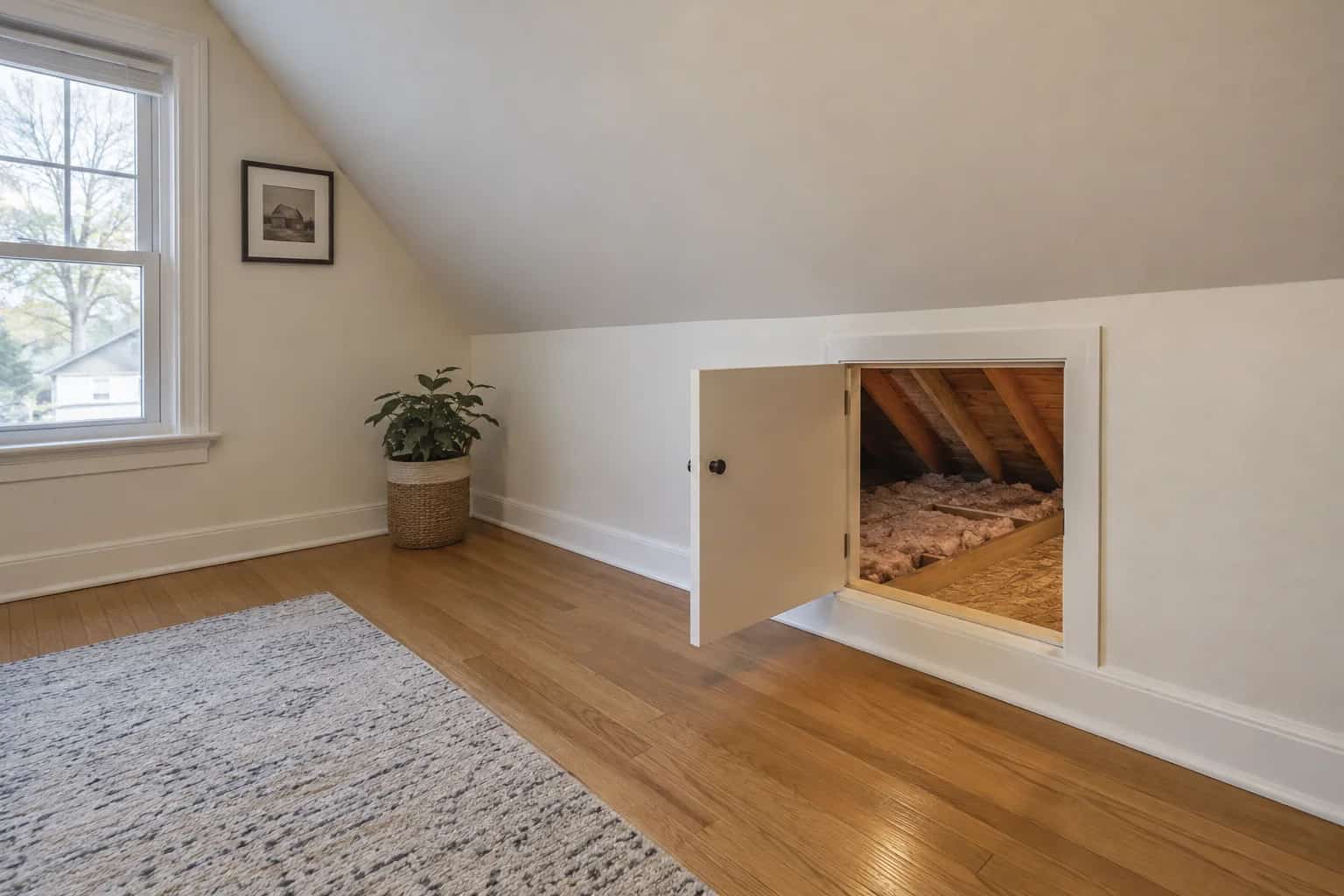
Do not install a one-way device yourself or fill all apparent secondary gaps before the occupied route has been assessed. An exterior observer cannot establish whether every animal can leave or whether bats remain in another part of the structure.
Ask the specialist how occupancy will be assessed, what timing constraints apply and what evidence will establish that permanent closure can proceed. The roofer needs that information before preparing its repair detail.
The owner asks whether all the other tiny gaps can be filled in the meantime. Dave circles them on the photograph instead. The exclusion plan needs to account for the routes before the roofing work changes them. Marking a gap is useful preparation; sealing it prematurely changes the problem.
Keep the Handoffs in Order
Health advice and lawful occupancy decisions precede permanent closure.
Possible exposure
Contact public health or a healthcare provider promptly.
Occupancy and timing
Have a wildlife specialist assess species, activity and lawful exclusion.
Weather protection
Coordinate any urgent leak protection with the exclusion plan.
Permanent closure
Repair only when appropriate, preserving ventilation and records.
Share One Drawing Between the Trades
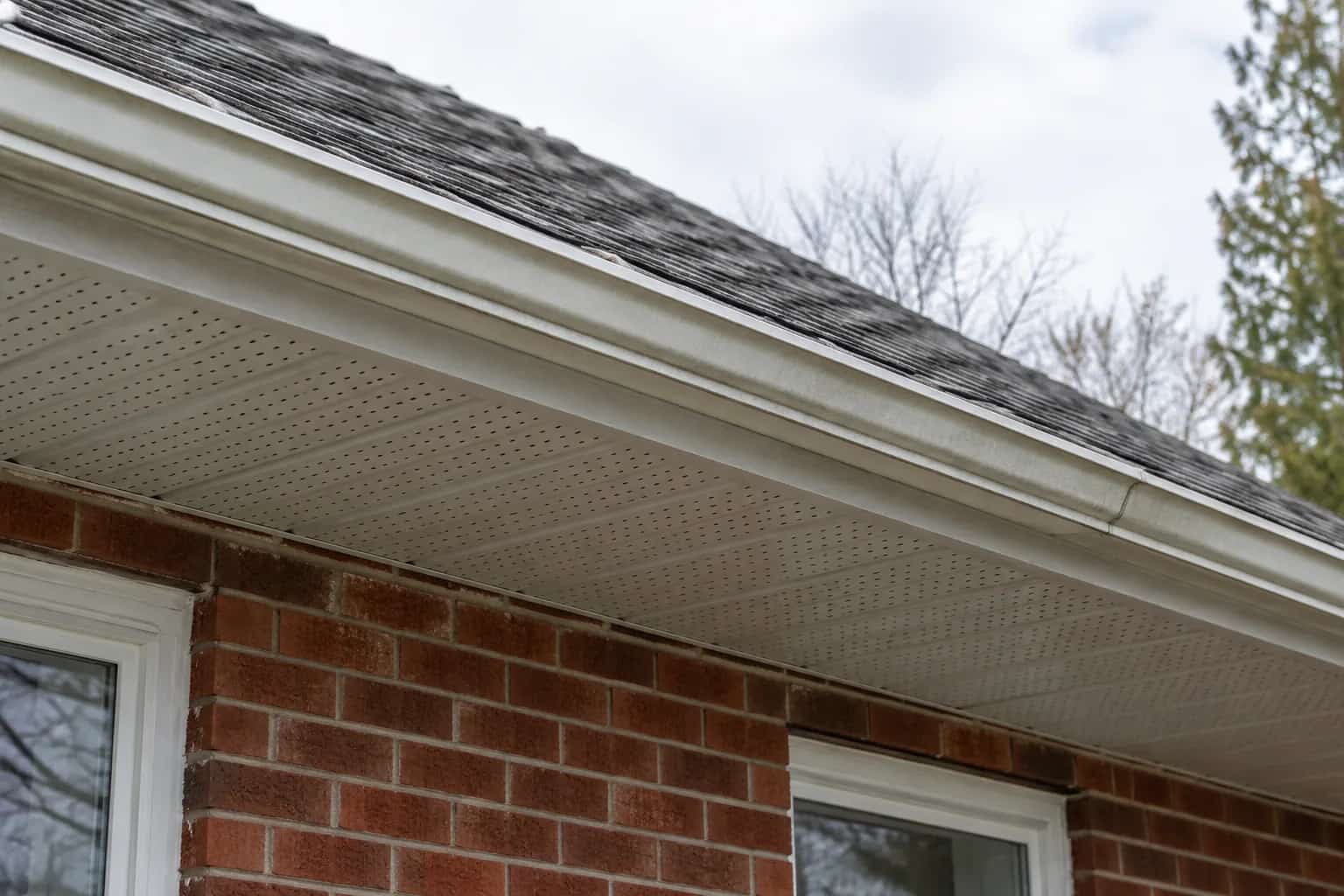
A simple marked photograph should identify the observed entry, other areas requiring assessment, the planned exclusion work and the final roof repair. Distinguish a crack in trim from a vent opening that must remain functional.
Suppose the opening lies where the soffit meets an irregular wall. The wildlife company may manage the animals while the roofer restores a durable closure that still allows the designed ventilation. A blob of foam chosen only because it fills the visible space may not make a lasting weatherproof or pest-resistant detail.
Tell both parties if the same area also leaks. Temporary weather protection may need to be arranged while permanent closure waits. The plan should protect the building without trapping occupants or defeating the agreed exclusion method.
Cleanup Is Another Scope
Do not enter the attic to inspect droppings or move insulation. Ask whether contamination assessment or cleanup is needed and who will perform it. The amount, access and affected materials influence the work. Pest exclusion does not certify insulation as clean.
Our contaminated-attic repair sequence explains the handoffs, although bat-specific health and exclusion advice still comes from the appropriate authorities and specialists. Suspect older insulation adds a separate disturbance issue.
At completion, retain the wildlife findings, closure photographs and any cleanup records. Check the repaired area from safe ground as advised, and report renewed activity rather than reopening it yourself. The finished job should explain not only where the gap was closed, but how the team established that it was the right time to close it.
At handover, the owner has more than a photograph of new trim. There is a record of the exclusion decision, the closure and the remaining cleanup scope. Pat puts the paperwork in the roof folder rather than behind the attic hatch. Nobody needs another visit up there just to find a phone number.